

MKB Juristen drafts custom legal documents
It is best not to cobble together or copy important contracts, terms and conditions, and other legal documents yourself. We help entrepreneurs on a budget with customized legal solutions, clear costs upfront, and practical explanations.
- Custom contracts, terms and conditions, and legal documents
- Budget-friendly and clear about the costs upfront
- Request a free consultation or a no-obligation quote
The MIT scheme (SME Innovation Stimulation Top Sectors) funds R&D collaboration projects in SMEs — up to €200,000 per project (R&D collaboration) or €25,000 (feasibility study). Goal: to stimulate innovation within 9 top sectors (energy, agrifood, water technology, life sciences, and more). Applications can be submitted per province (regional implementation) or nationally via RVO. Strict deadlines and first-come-first-served — those who are too late miss out. Below: conditions, how to apply, and what Saskia's cleantech consortium is actually securing.
The short answer
- What: subsidy for R&D collaboration in SMEs within 9 top sectors.
- Amount: up to €200,000 for a collaborative project, €25,000 for a feasibility study.
- Subsidy percentage: 35-50% of project costs (depending on the scheme).
- Who: SMEs (≤ 250 employees, turnover ≤ € 50 million) in collaboration.
- Applications: province or RVO, often open in January-April — first come, first served.
The 9 top sectors

MIT schemes apply within specific top sectors:
- Agri & Food
- Chemistry
- Creative Industry
- Energy
- High-Tech Systems and Materials (HTSM)
- ICT
- Life Sciences & Health
- Logistics
- Horticulture & Starting Materials
- Water technology
Plus the cross-cutting themes: Smart Industry, Societal Innovation, Key Technologies. Saskia's hydrogen generator fits into Energy + Chemistry + HTSM.
Two instruments
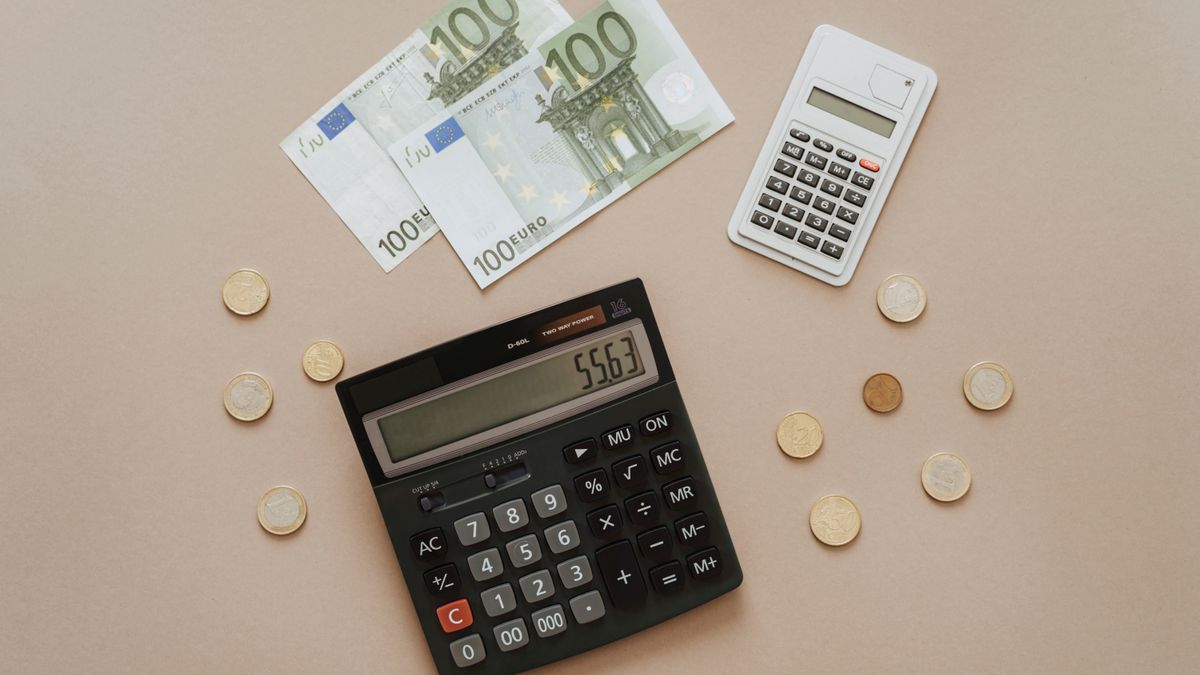
1. Feasibility study
Up to €25,000 (40% of €62,500 in costs). For research into whether an innovative idea is technically and commercially feasible. Duration: 6 months. Single applicant.
2. R&D collaboration project
Up to €200,000 or €350,000 (35-50% of €400,000 – €1,000,000 in costs). For an R&D project involving at least two SMEs in collaboration (possibly with a knowledge institution). Maximum duration of 2 years.
3. Other instruments
- Networking activity:up to €100,000 for matchmaking, industry events.
- Knowledge voucher: up to €3,750 for knowledge procurement at university/TNO.
- MIT International: extra round for cross-border projects.
Terms and Conditions
- SME status: ≤ 250 employees and (turnover ≤ € 50 million OR total assets ≤ € 43 million).
- Collaboration: for an R&D project, a minimum of 2 SMEs, no mutual subsidiary/parent company.
- Top Sector: project fits within one of the 9 sectors or cross-cutting themes.
- Innovation: technically and market innovative.
- Netherlands: project executed by parties established in the Netherlands.
Application procedure
- Preparation: project plan with problem statement, technical approach, collaboration, budget.
- Submission: to the province (regional) or RVO (national) — usually open January through April.
- First-come-first-served: under most schemes, applications are processed in order of arrival — literally a matter of minutes.
- Assessment: 8-13 weeks by committee.
- Decision: award, rejection, or conditional commitment.
- Execution: execute project according to plan, interim reports, final settlement.
Karim's check on MIT
Karim's ICT operating company (from batch 7) is considering an MIT collaboration with a partner company for open-source healthcare software. Fits within Life Sciences + ICT. Total for R&D project €800,000: subsidy 40% = €320,000. 50/50 split between partners. Subsidy advisor fees: €8,000. Net effect: positive by a factor of 35.
Chances of success
MIT applications are often oversubscribed — success rates 20-40% depending on region and sector. Tips:
- Well-documented project plan (technical and commercial).
- Strong partnership — complementary partners.
- Applications on day 1 of opening — first come, first served.
- Budget realistic and transparent.
- Demonstrate previous collaboration (track record).
Honest recommendation
For SMEs with R&D plans and collaboration partners: MIT is one of the most accessible subsidies — up to €200,000 without needing to be in Brussels. Invest in a good MIT advisor (€5,000 – €10,000) and start building the project plan months in advance. Important: know in advance which top sector and region apply, and ensure you have strong collaboration partners. The first application is a learning process — the second application often has a much higher chance of success.
For other topics: subsidies for start-up entrepreneurs, WBSO and subsidy scan.
Frequently Asked Questions
SME Innovation Stimulation Top Sectors: Dutch subsidy scheme for R&D collaboration within 9 top sectors. Up to €200,000 for R&D projects, €25,000 for feasibility studies. Applications to the province (regional) or RVO (national).
Agri & Food, Chemicals, Creative Industries, Energy, High-Tech Systems and Materials, ICT, Life Sciences & Health, Logistics, Horticulture, Water Technology. Plus cross-cutting themes: Smart Industry, Societal Innovation, Key Technologies.
SME status (≤ 250 employees, turnover ≤ € 50 million), collaboration between at least 2 independent SMEs for R&D projects, project within a top sector, technically and market-innovative, execution by parties established in the Netherlands.
For the province (regional) or RVO (national), typically open January-April. First-come-first-served — literally counting minutes when oversubscribed. Submit project plan, budget, and cooperation agreement.
20-40% depending on region and sector. Important factors: quality of project plan, strong partnership, early submission (first-come), realistic budget, and previous collaboration experience. A good advisor can increase the chance of success.
35-50% of project costs, depending on the scheme. Ceiling: €200,000 for R&D collaboration (€350,000 in some schemes), €25,000 for a feasibility study. With total costs of €800,000: typically €280,000-€320,000 subsidy.
8-13 weeks after submission. Award or rejection, sometimes a conditional commitment (e.g., supplementing the cooperation agreement). After award: project execution, interim reports, final settlement. Time-consuming but transparent.




