

MKB Juristen drafts custom legal documents
It is best not to cobble together or copy important contracts, terms and conditions, and other legal documents yourself. We help entrepreneurs on a budget with customized legal solutions, clear costs upfront, and practical explanations.
- Custom contracts, terms and conditions, and legal documents
- Budget-friendly and clear about the costs upfront
- Request a free consultation or a no-obligation quote
What is an inventory purchase agreement? It is the contract by which you buy or sell business inventory, such as machinery, furniture, kitchen or bar equipment, and tools. These movable assets transfer from seller to buyer, with agreements regarding their condition, price, delivery, and the moment at which ownership and risk shift. Unlike a complete business acquisition, this concerns only the assets, not customers, contracts, or goodwill. Nevertheless, a good contract is important, because disputes often arise precisely regarding the condition and age of second-hand inventory.
The short answer
- What: the contract for the purchase and sale of business inventory and other movable property.
- What concerns: machines, furniture, kitchen and bar equipment, tools.
- Core: a conclusive list, the state of affairs, the price, and the delivery.
- Conformity: the inventory must comply with the agreement (Article 7:17 of the Dutch Civil Code).
- Points of attention: retention of title, condition and age, and VAT.
What exactly is an inventory purchase agreement?
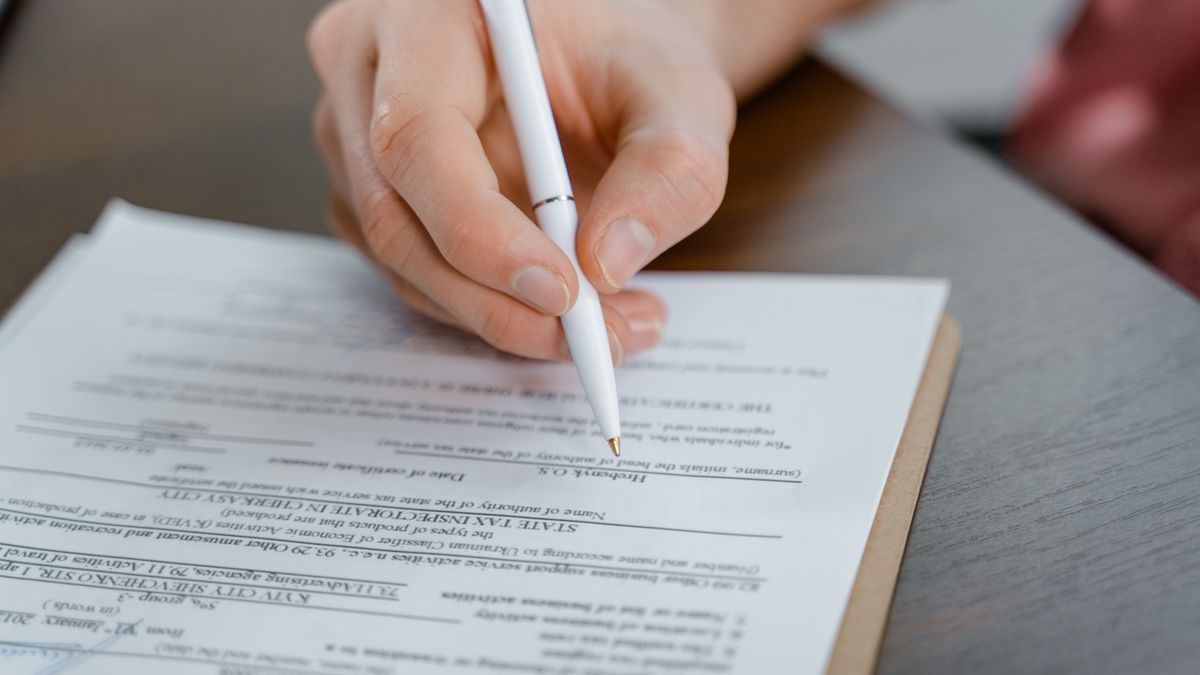
Business inventory consists of movable assets: everything that is not permanently attached and that you use in your business operations. When selling these, you enter into a purchase agreement in which you specify which items are being transferred and at what price. This often occurs upon the termination of a business, the termination of a lease with remaining fixtures, or the acquisition of only the fixtures of a business without the business itself.
The inventory purchase agreement thus differs from a full business acquisition. You are not buying the customers, the trade name, or the goodwill, but exclusively the assets. As a result, the emphasis lies on the description of the items and their condition, and much less on guarantees regarding turnover or personnel.
What are you taking over?
The agreement lists exactly which matters are transferred. Consider:
- Machines and equipment: with make, type and serial number where possible.
- Furniture and fittings: cabinets, counters, shelving and lighting.
- Kitchen or bar equipment: often the largest part in the hospitality industry.
- Tools and small equipment: with a comprehensive list attached.
A detailed list prevents disputes afterwards. In principle, anything not on the list will not be taken. For larger machines, it is advisable to note the serial number and condition so that it is clear later which unit has been sold and in what condition.
Conformity, condition and age

The sold inventory must comply with what was agreed. This is the principle of conformity under Article 7:17 of the Dutch Civil Code: the item must possess the characteristics that the buyer could reasonably expect based on the agreement, taking into account the nature of the item. In the case of second-hand inventory, the buyer may not expect it to be in new condition, but may expect that the machines perform as agreed and that defects known to the seller have been disclosed.
To avoid disputes, parties often document the condition. Sometimes the property is sold in its existing condition, also known as "as is," in which case visible defects are the responsibility of the buyer. Hidden defects and matters concealed by the seller remain the seller's responsibility, even in this case. Note the age and any defects so that it is clear afterwards what the buyer could reasonably expect.
Retention of title and delivery

Two practical points are the transfer of ownership and the risk. Ownership of movable property passes upon delivery, but the seller may stipulate a retention of title: the goods only become the property of the buyer once the purchase price has been paid in full (Article 3:92 of the Dutch Civil Code). This is advantageous for the seller, who does not receive payment all at once. As a buyer, ensure that the inventory you are purchasing is not itself subject to a retention of title held by a supplier.
Also specify when the risk passes. From the moment of delivery, the buyer generally bears the risk of damage or loss. Agree on who will transport the goods, who will bear the costs thereof, and at what moment the transfer is completed.
Practical example. A hospitality entrepreneur purchases the complete bar setup and kitchen equipment upon the closure of the business. The contract contains a comprehensive list of serial numbers, a statement that the sale is in its current condition, and a guarantee that the equipment is functional and not subject to a supplier's retention of title. Payment takes place upon delivery, at which point the risk transfers. This way, the buyer knows in advance what they are receiving and in what condition.
Honest recommendation

For a straightforward purchase of second-hand inventory for a limited amount, a short agreement and a good list will suffice. As long as you clearly describe the items, document their condition, and clearly agree on payment and delivery, you do not need a lawyer.
The situation changes when valuable machinery, phased payment with retention of title, or inventory forming part of a larger acquisition are involved. Conformity, retention of title, and the transfer of risk then require careful agreements. In such cases, have the contract drafted or reviewed by a lawyer.
Want to know more or have the contract drawn up? View the inventory purchase agreement, read how to drafting an inventory purchase agreement , and what it costs to have an inventory purchase agreement drawn up .
Frequently Asked Questions
It is the contract by which you buy or sell business inventory, such as machinery, furniture, and kitchen or bar equipment. It specifies which items are transferred, at what price, in what condition, and when ownership and risk shift.
In an inventory purchase agreement, you buy only the items, not the customers, the trade name, or the goodwill. The emphasis is on the description of the items and their condition, not on guarantees regarding turnover or personnel.
Pursuant to Article 7:17 of the Dutch Civil Code, the item must possess the characteristics that the buyer could reasonably expect, given the nature of the item. With second-hand inventory, one may not expect a new condition, but one can expect that the items work and that known defects have been reported.
Visible defects are at the buyer's expense, also known as "as is." Hidden defects and matters concealed by the seller remain his responsibility, even then. Therefore, document the condition and age.
A clause whereby the goods only become the property of the buyer once the purchase price has been paid in full, pursuant to Article 3:92 of the Dutch Civil Code. This protects the seller who is paid in installments.
Usually upon delivery. From that moment on, the buyer bears the risk of damage or loss. Agree on who will transport the goods, who will bear the costs, and when the transfer is completed.
Because only what has been specified is transferred. A detailed list with make, type, and serial number prevents discussion regarding which items have been sold and in what condition.




