

MKB Juristen drafts custom legal documents
It is best not to cobble together or copy important contracts, terms and conditions, and other legal documents yourself. We help entrepreneurs on a budget with customized legal solutions, clear costs upfront, and practical explanations.
- Custom contracts, terms and conditions, and legal documents
- Budget-friendly and clear about the costs upfront
- Request a free consultation or a no-obligation quote
Drafting general terms and conditions for hairdressers involves concretely regulating six topics: appointments and no-shows, liability for allergic reactions or hair damage, complaints with a remediation period, prices, gift vouchers, and payment. Write a clear clause for each section, stay within the legal limits for consumers (Articles 6:236-237 of the Dutch Civil Code), and ensure that you demonstrably provide the terms and conditions to the client. Below, you will review the sections to see exactly what needs to be included.
The short answer
- Appointments and no-show: cancellation period and a reasonable no-show fee.
- Liability: limit your risk for allergic reactions and hair damage with an allergy test clause.
- Complaints and repair period: complaint period plus right of repair for the salon.
- Prices: guide prices and when the final price differs.
- Gift cards: validity period, redeemability, remaining value.
- Payment: moment, manner and consequence in case of non-payment; plus delivery.
Drafting general terms and conditions for hairdressers: the basics
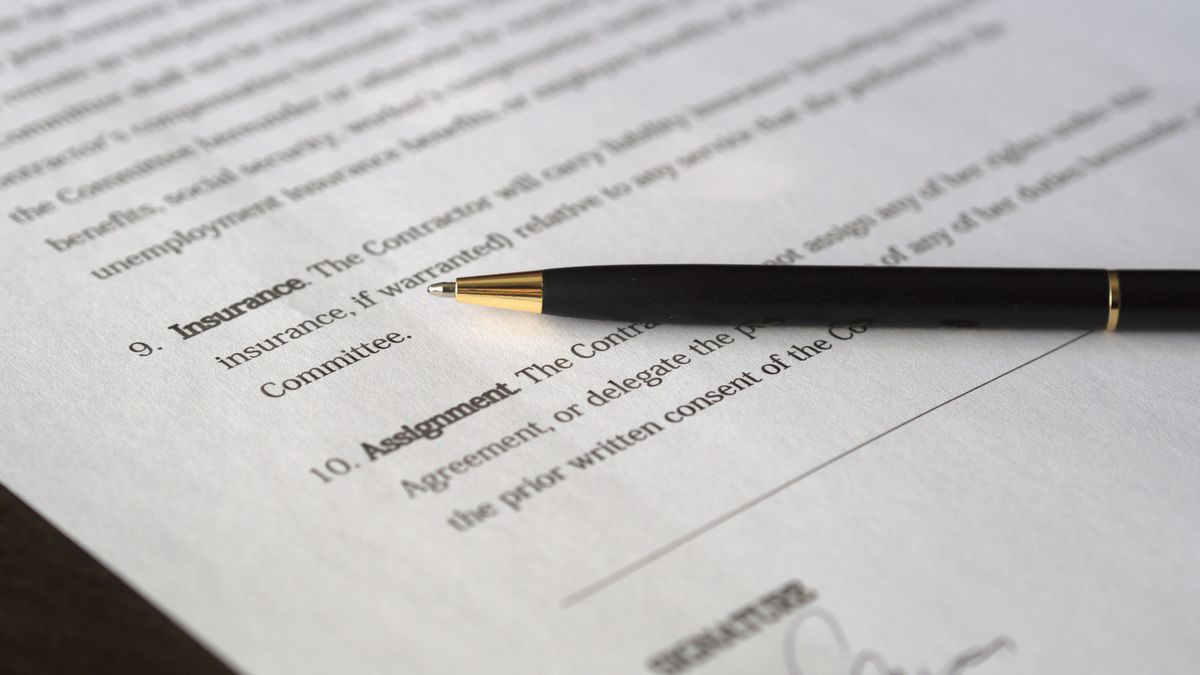
Before you start on the content, two basic principles. First: almost all your customers are consumers, so your terms and conditions must pass the consumer test. Clauses on the black list (Art. 6:236 BW) are always void; on the grey list (Art. 6:237 BW), they are presumed unreasonable. Second: terms and conditions only apply if you make them known in a timely manner (Art. 6:233-234 BW). Ensure that you refer the customer to them before booking and make a legible copy available.
Appointments and no-shows
This is the most important condition for most salons. Stipulate:
- Up to how many hours before the appointment you can cancel free of charge (for example, 24 or 48 hours).
- Whatever fee you charge for late cancellations or no-shows — keep it reasonable, for example, a percentage of the treatment price or the reserved time.
- How customers can cancel (by phone, via the booking system).
An excessive fine will not stand up in court. Compensation commensurate with lost revenue or reserved time will.
Liability: allergy and hair damage

Two real risks in a salon: an allergic reaction to products (especially hair dye) and hair damage after a treatment. Therefore, include:
- Allergy test: that you may or must perform a sensitivity test for coloring and chemical treatments, and that the client must report relevant allergies and previous reactions.
- Client duty to disclose: that the client reports previous treatments (home coloring, keratin) and medication, as this affects the outcome.
- Limited liability: that the salon is liable for direct damage up to, for example, the invoice amount, and not for consequential damage — to the extent permitted by law.
Please note: you cannot exclude liability for injury, intent, or willful recklessness. However, a reasonable limitation of ordinary damages is possible.
Complaints and recovery period
A good complaints clause protects both sides. Rule:
- Within what timeframe the customer must report a complaint (for example, within a few days after the treatment).
- That the salon is first given the opportunity to rectify the situation — a free corrective treatment — before any question of a refund or compensation.
- How the complaint is submitted and what the customer provides (for example, returning on time).
The right to repair is particularly valuable for hairdressers: minor corrections are usually better resolved with an extra treatment than with a refund.
Prices, gift cards and payment
The last three parts:
- Pricing: state that the mentioned prices are guide prices and that the final price may vary due to hair length, extra time, or product usage; mention how you communicate this in advance.
- Gift vouchers: validity period (one to two years is justifiable), that a voucher is not exchangeable for cash and/or that any remaining value remains or expires.
- Payment: that payment is made immediately after the treatment, which payment methods you accept, and what happens in the event of non-payment (default, collection costs within legal limits).
Practical example
A salon included a strict allergy testing clause: a sensitivity test is mandatory for the first coloring treatment, and the client must disclose allergies. When a client experienced a reaction after coloring their hair at home but concealed it, the salon was able to rely on this clause and the client's duty to disclose, thereby limiting liability.
Honest recommendation

The content is similar for every salon, but the liability and no-show clauses require careful attention: if they are just slightly too broad, they will fail the consumer test. Formulate the six components concretely and check them against the black and grey lists.
You do not need a lawyer to fill in and publish your prices, gift voucher terms, or cancellation policy yourself — you can do that perfectly well on your own. A lawyer is primarily useful for formulating liability and no-show clauses in a legally sound manner, so that they hold up when it matters. View the general terms and conditions for hairdressers, first read what general terms and conditions for hairdressers are and see what it costs to have them drafted.
Frequently Asked Questions
Six core topics: appointments and no-shows, liability for allergic reactions and hair damage, complaints with repair periods, prices, gift cards, and payment. Regulate each component concretely and stay within the consumer boundaries of Art. 6:236-237 of the Dutch Civil Code.
Establish a cancellation period (for example, 24 or 48 hours) and reasonable compensation for late cancellations or no-shows, such as a percentage of the treatment price or the reserved time. An excessive penalty may be annulled as unreasonably burdensome.
Include an allergy test clause and an obligation for the client to disclose previous treatments, allergies, and medication. Limit your liability to direct damage, for example, to the invoice amount. You cannot exclude injury, intent, and willful recklessness.
Determine the timeframe within which the customer must file a complaint and that the salon is first given the opportunity to rectify the situation with a corrective treatment before a refund or compensation is considered. For hairdressers, repair is usually the better solution.
Yes. State that the stated prices are guide prices and that the final price may vary due to hair length, extra time, or product usage, and explain how you communicate this in advance. This will prevent discussions at the checkout.
Validity period (one to two years is justifiable), that a voucher is not exchangeable for cash and/or that any remaining value remains or expires. A validity period that is too short can be unreasonable towards consumers.
Provide them demonstrably before or at the time of making the appointment (Art. 6:233-234 BW). In practice: a checkbox when booking online, a reference on the appointment confirmation, and a legible copy in the salon and on your website.




