

MKB Juristen drafts custom legal documents
It is best not to cobble together or copy important contracts, terms and conditions, and other legal documents yourself. We help entrepreneurs on a budget with customized legal solutions, clear costs upfront, and practical explanations.
- Custom contracts, terms and conditions, and legal documents
- Budget-friendly and clear about the costs upfront
- Request a free consultation or a no-obligation quote
Drafting a maintenance contract involves clearly defining the scope of maintenance, frequency, price, duration, and response times between supplier and customer. Because a maintenance contract is legally often a mixed contract for services (Article 7:400 et seq. of the Dutch Civil Code) and a contract for work (Article 7:750 of the Dutch Civil Code), the text itself determines how obligations and risks are distributed. A good agreement prevents disputes regarding what is and is not covered by the fixed price and how quickly assistance must arrive in the event of a breakdown.
The short answer
- Scope: what is maintained and which activities are included.
- Service level: response times, resolution times, and availability in an SLA.
- Price: the fixed fee, which is invoiced separately, and the indexation.
- Term: duration, renewal and notice period.
- Liability: allocation of risk and possible exclusion of consequential damages.
Drafting a maintenance contract: the core provisions
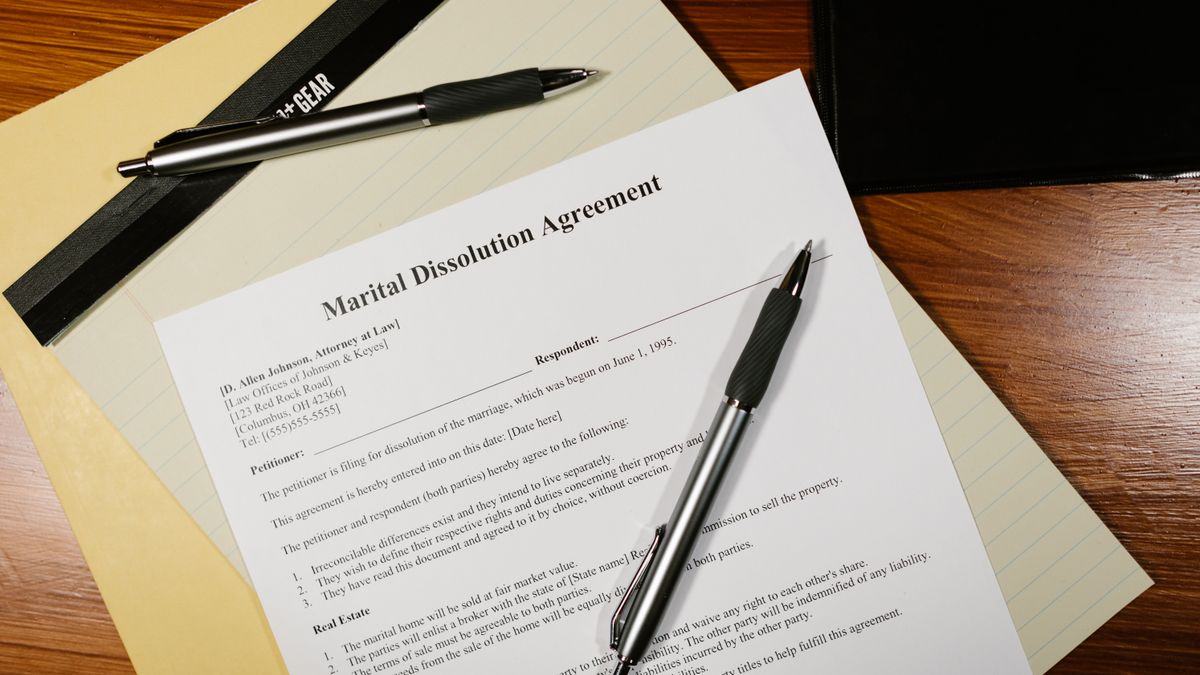
The foundation of a maintenance contract is a precise description of what is being maintained and which activities fall under it. The clearer this delineation, the less room there is for discussion afterwards. Include at a minimum:
- Object of maintenance: which installation, machine, software, or building, with identification.
- Works: which preventive and corrective maintenance is included.
- Exclusions: anything not covered by the fixed price, such as major replacements or damage caused by misuse.
- Price and indexation: the periodic fee, payment terms and the annual price adjustment.
- Term and termination: duration, tacit renewal and notice period.
- Service level: the SLA with response times and resolution times.
The SLA: response times and availability
The service level makes a maintenance contract enforceable. Stipulate in a service level agreement how quickly the supplier must respond and within what timeframe a breakdown must be resolved. Distinguish between critical breakdowns, where work comes to a standstill, and non-critical breakdowns that can wait.
- Response time: the timeframe within which contact or action follows after a report.
- Resolution time: the timeframe within which the malfunction must be resolved.
- Availability: during which hours the service applies and whether there is a breakdown service.
- Consequences: what happens if the times are not met, for example, a discount.
Without measurable response times, the service is an empty promise. With clear SLA agreements, the customer knows what to count on and the supplier has a clear standard to meet.
Price, indexation and additional work

Establish the fixed fee and clearly state what falls outside of it. Major replacements, damage due to improper use, and work outside regular hours are often billed separately. Draw that line clearly, as this is precisely where most disagreements arise.
Since a maintenance contract usually runs for several years, it should include an indexation clause that adjusts the price annually, for example, based on a price index. Also, regulate how additional work or supplementary orders are quoted and approved, so that the client is not faced with unannounced bills.
Term, renewal and termination
A maintenance contract is a long-term agreement. Determine the duration, whether the contract renews tacitly, and the applicable notice period. For business contracts, statutory protection against tacit renewal does not always apply, so record these agreements explicitly. Also regulate the grounds for early termination, such as serious breach of contract or bankruptcy.
Liability and other provisions
The liability clause divides the risk. It is customary for the supplier to be liable for damages caused by their own failure, subject to a ceiling and an exclusion of certain consequential damages such as lost revenue. For the customer, precisely these consequential damages often represent the greatest risk, so this is a point to negotiate carefully. Conclude with provisions regarding insurance, confidentiality, applicable Dutch law, and the competent court.
A practical example
A printing company enters into a maintenance contract for its cutting machines. The contract specifies which machines are covered, includes two preventive inspections per year, and an SLA with a response time of four hours and repair within one working day in the event of a critical malfunction. Wear parts are included in the fixed price, while major repairs are quoted separately. There is an annual indexation and a three-month notice period. Because the distinction between fixed and separate work was clearly defined, no dispute arose when a major replacement proved necessary; this clearly fell outside the fixed fee.
Honest recommendation

You do not need a lawyer for a simple maintenance contract with a clearly defined object, a transparent price, and a standard SLA. If you clearly describe the scope, response times, and notice period, and draw a clear line between fixed and separate work, you can easily draft such a contract yourself.
Have the contract drafted or reviewed by a specialist when downtime results in significant damage, when the SLA needs to be truly binding with penalties, for long durations, or when liability for consequential damages is a real risk. A weakly worded contract can cost you much more than drafting it in the event of a major outage.
Do you want to understand the basics first? Then read what a maintenance contract is and see what it costs to have one drawn up. A ready-to-use template can be found on the maintenance contract.
Frequently Asked Questions
At a minimum, the object of maintenance, the included work, the exclusions, the price with indexation, the term and notice period, and an SLA with response times. Additionally, include provisions regarding additional work, liability, and insurance.
In an SLA, define the response time (time until action is taken after a report) and the resolution time (time until repair), distinguishing between critical and non-critical failures. Also specify availability and the consequences if these times are not met, such as a discount.
You determine this yourself in the contract. Often, inspections and minor wear parts are covered by the fixed fee, while major replacements, damage due to misuse, and work outside regular hours are invoiced separately. Draw a clear line here to avoid disputes.
With an indexation clause that adjusts the price annually, for example based on a price index. Because a maintenance contract runs for several years, this prevents the compensation from becoming out of step with the costs. Specify the timing and basis of the adjustment.
A maintenance contract is usually a mixed agreement. Inspection and advice fall under the scope of work (Article 7:400 et seq. of the Dutch Civil Code), while repair falls under the scope of work (Article 7:750 of the Dutch Civil Code). Article 6:215 of the Dutch Civil Code stipulates that, in principle, the rules of both apply concurrently.
Suppliers often exclude consequential damages such as lost revenue and limit liability to a specific amount. For the customer, however, it is precisely this consequential damage that constitutes the greatest risk during downtime. This is an important point for negotiation, especially when downtime costs money immediately.
Often yes, via tacit renewal. For business contracts, statutory protection against this does not always apply. Therefore, explicitly stipulate the term, renewal, and notice period so that you are not unintentionally tied to a new period.


