

MKB Juristen drafts custom legal documents
It is best not to cobble together or copy important contracts, terms and conditions, and other legal documents yourself. We help entrepreneurs on a budget with customized legal solutions, clear costs upfront, and practical explanations.
- Custom contracts, terms and conditions, and legal documents
- Budget-friendly and clear about the costs upfront
- Request a free consultation or a no-obligation quote
What is an order confirmation? It is a written document in which you record the agreements regarding an assignment before you start work: what you are going to do, at what price, within what timeframe, and under what conditions. The order confirmation confirms the offer and acceptance (Article 6:217 of the Dutch Civil Code) and prevents later disputes regarding the agreements made. For an SME entrepreneur, it is a simple yet powerful tool to legally secure a job without a lengthy contract.
The short answer
- An order confirmation records the agreements regarding an assignment in writing: work, price, timeframe, and conditions.
- It confirms offer and acceptance and can be the moment at which the agreement is concluded (Article 6:217 of the Dutch Civil Code).
- There is no specific format: an email containing the key points will suffice.
- Reference is often also made herein to the general terms and conditions, which you must provide in advance.
- The greatest benefit is proof: in case of disagreement, you can fall back on what has been agreed.
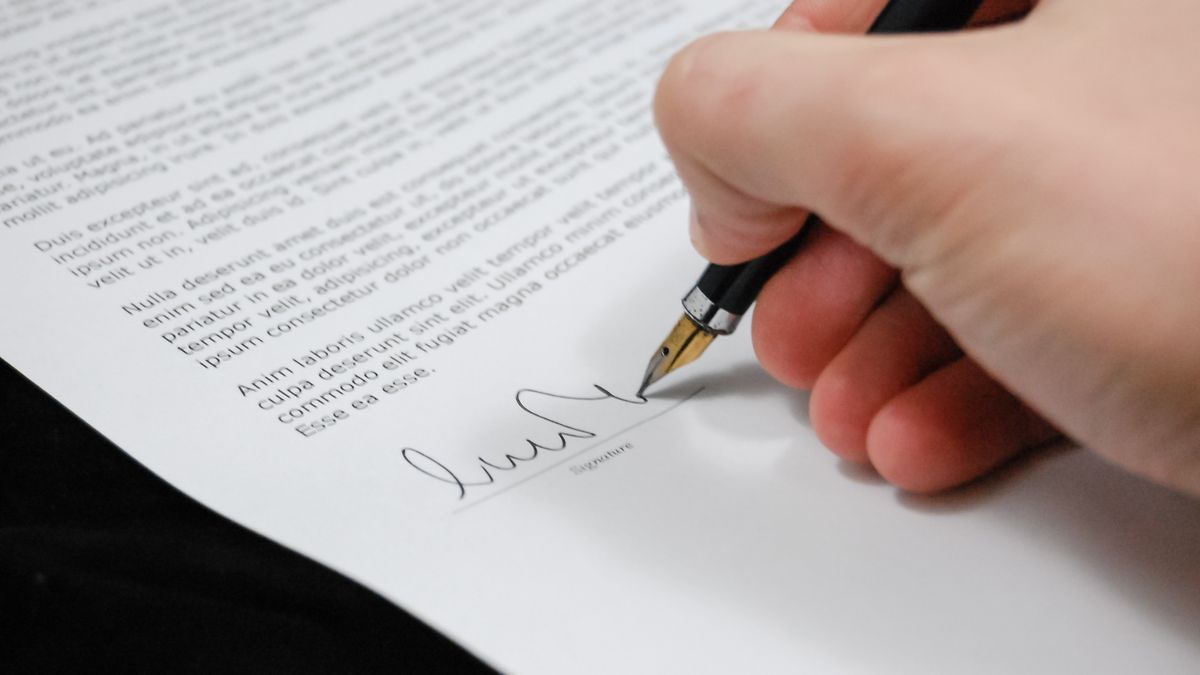
What is an order confirmation in practice?
An order confirmation is not a legally required document, but a useful written record of what the client and contractor have agreed upon. Usually, the contractor sends it after a quotation or meeting: he confirms that the order has been accepted and reiterates the key points. This way, both parties know exactly where they stand before the work begins.
Legally, it revolves around offer and acceptance. According to Article 6:217 of the Dutch Civil Code, an agreement is formed by an offer and the acceptance thereof. The order confirmation can mark that moment or put an already verbally concluded agreement on paper. In both cases, a verifiable document is created that you can present later.
What is in it?

The content is not subject to any specific format, but a usable order confirmation must include at least the parties, a description of the work, the price or rate, the payment arrangements, and the schedule. It often also states what is not included in the order, so that additional work is billed separately. Furthermore, you usually refer to your general terms and conditions.
Pay attention to the provision of those general terms and conditions. If you want them to apply, you must have provided them to the customer before or at the time of concluding the agreement (Article 6:233 sub b and 6:234 of the Dutch Civil Code). Merely referring to them without sending them along is not sufficient; the customer can then invalidate the stipulations.
Confirmation, quotation, or agreement?

A quotation is an offer: you offer the work for a price. An order confirmation follows and confirms that the offer has been accepted. In the case of services, the agreement often falls under the contract for services (Article 7:400 of the Dutch Civil Code), whereby the order confirmation sets out the core agreements. For complex or long-term collaborations, you are more likely to opt for a comprehensive agreement with more provisions regarding liability, confidentiality, and termination.
For smaller, well-defined jobs, an order confirmation is often exactly enough: light enough to send quickly, sturdy enough to serve as proof.
Practical example
A graphic designer receives an assignment for a new logo and corporate identity over the phone. After the call, he sends a brief order confirmation by email: the work, the price, two rounds of revisions, the delivery time, and a reference to the accompanying general terms and conditions. If the client later requests a third round of revisions, the designer can refer back to the confirmation and simply charge for the additional work separately.
Honest recommendation

For a simple, well-defined assignment, you do not need a lawyer. A short email listing the parties, the work, the price, the timeframe, and a reference to your previously provided general terms and conditions is perfectly fine. Use a standard template and always include your general terms and conditions; this ensures your confirmation is legally sound.
Seeking legal assistance is advisable for larger or riskier assignments: when significant sums of money are involved, when intellectual property, confidentiality, or liability play a role, or when you consistently perform the same type of work for changing clients and desire a high standard. It also pays to have exactly what you are confirming checked if a client imposes their own purchasing terms and conditions.
Want to know more or need help? Check out our page on drafting or checking an order confirmation, read what it costs to have an order confirmation drafted, or view an order confirmation example.
Frequently Asked Questions
A written document in which you record the agreements regarding an assignment: the work, the price, the timeframe, and the conditions. It confirms offer and acceptance (Article 6:217 of the Dutch Civil Code) and serves as evidence in the event of a later dispute regarding the agreements.
No, it is not legally required and there is no specific form. A verbal agreement is also binding. However, written confirmation is strongly recommended, because in the event of disagreement, you can fall back on what has been recorded.
The parties, a description of the work, the price or rate, the payment arrangements, and the schedule. It is also useful to include what is not covered by the assignment, plus a reference to your general terms and conditions.
Yes. Because the document is not bound by a specific format, an email containing the key agreements may suffice. It is important that the content is clear and that you save it, so that you can demonstrate what was agreed upon later.
Only if you provided them before or at the time of concluding the agreement (Article 6:233 sub b and 6:234 of the Dutch Civil Code). Merely referring to them is not sufficient; send them along, otherwise the customer may annul the stipulations.
A quotation is an offer. The order confirmation follows and confirms that the offer has been accepted. Together, they mark the offer and acceptance, thereby establishing the agreement (Article 6:217 of the Dutch Civil Code).
For larger or long-term collaborations, or if liability, intellectual property, and confidentiality are of great importance, a comprehensive service agreement with more provisions is better than a brief confirmation.




