

MKB Juristen drafts custom legal documents
It is best not to cobble together or copy important contracts, terms and conditions, and other legal documents yourself. We help entrepreneurs on a budget with customized legal solutions, clear costs upfront, and practical explanations.
- Custom contracts, terms and conditions, and legal documents
- Budget-friendly and clear about the costs upfront
- Request a free consultation or a no-obligation quote
What is an acquisition agreement? It is the main document in which the buyer and seller legally and bindingly record the sale of a company: exactly what is being transferred, at what price, under what conditions, and with what guarantees. The acquisition agreement is the overarching agreement that underpins the entire transaction. Separate documents such as a letter of intent, due diligence, or a shareholders' agreement lie beneath it, but the acquisition agreement determines whether the sale proceeds and who is responsible for what.
The short answer
- What: the binding purchase contract for a company or business unit.
- Two main forms: share transaction (the shares of the BV) or asset-liability transaction (separate assets and liabilities).
- Core: object of purchase, purchase price, guarantees, indemnities and suspensive conditions.
- Form: for shares of a BV, a notarial deed is required for the transfer.
- Goal: to spread risks and provide certainty before the money is transferred.
What is an acquisition agreement in practice?
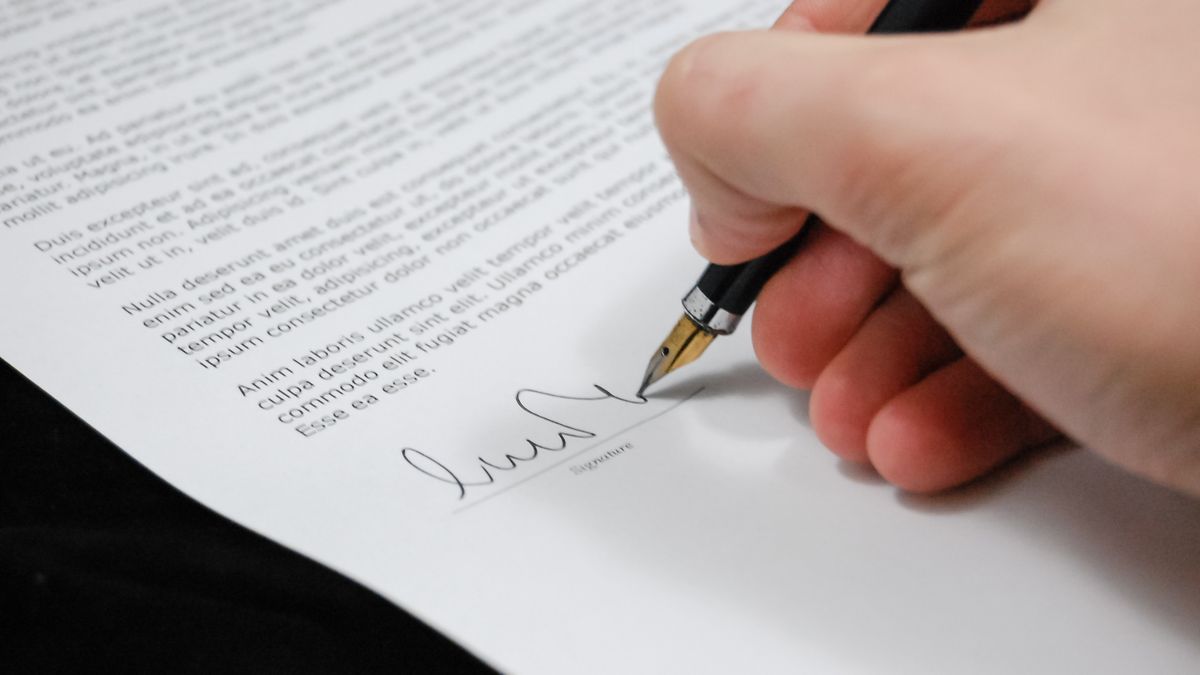
In a business acquisition, it is rarely just about the price. The buyer wants to know what they are buying, and the seller does not want to remain liable for years after the sale. The acquisition agreement formalizes both. The term is often used interchangeably with a purchase agreement or a share purchase agreement. In this explanation, the acquisition agreement takes center stage as the overarching document: the contract that determines the structure of the deal, regardless of whether you are buying shares or assets.
The difference compared to a standard purchase agreement lies in the complexity. With a car, you know what you are getting. With a business, you are buying revenue, personnel, contracts, debts, customers, and risks that you only discover after the transfer. Therefore, an acquisition agreement contains extensive guarantees and indemnities that supplement the statutory conformity rules of Article 7:17 of the Dutch Civil Code.
Share transaction or asset transaction

The most important structural choice is between a share deal and an asset deal. That choice determines the entire structure of the acquisition agreement.
- Share transaction (share deal): the buyer acquires the shares of the BV. The business remains within the same legal entity, and all contracts, permits, and personnel are automatically transferred. In principle, the seller receives the purchase price taxed in Box 2. The transfer of BV shares must take place via a notarial deed, Article 2:196 of the Dutch Civil Code.
- Asset-liability transaction (asset deal): the buyer purchases individual components, such as inventory, the trade name, stock, and specific contracts. He chooses what to acquire and what not. Debts and risks more often remain with the seller. Disadvantage: contracts and permits must be transferred one by one, which requires the consent of the counterparty.
Buyers often prefer an asset deal because it allows them to avoid hidden debts. Sellers, on the other hand, usually prefer a share deal because it is more tax-efficient and the company is transferred in a single transaction. The acquisition agreement records this choice and its consequences.
The structure of an acquisition agreement

Virtually every acquisition agreement has the same building blocks:
- Parties and object of sale: who sells what to whom, exactly described.
- Purchase price and payment: fixed price, earn-out, or settlement after the fact. Locked box (price on a fixed reference date) or completion accounts (price based on the balance sheet at transfer).
- Guarantees: statements from the seller that the figures are correct, there are no concealed claims, and the contracts are valid.
- Indemnities: agreements whereby the seller assumes specific, known risks, for example an ongoing dispute.
- Suspensive conditions: conditions that must be met before the purchase becomes final, such as financing or approval.
- Non-competition and confidentiality: the seller may not immediately start a competing business.
- Closing: the moment and actions at which property and money are transferred.
A brief illustration. An installation company is sold as a share deal. During the due diligence, an ongoing dispute with a supplier comes to light. Instead of calling off the deal, the parties include an indemnity clause: if a claim arises from that old dispute, the seller will pay. The purchase price remains the same, and both parties know where they stand.
Why warranties are so important
The law offers a buyer limited protection. Pursuant to Article 7:17 of the Dutch Civil Code, the purchased item must conform to the agreement, but in the case of a business acquisition, that concept is vague. Furthermore, invoking error under Article 6:228 of the Dutch Civil Code is difficult to prove. Therefore, parties regulate the allocation of risk themselves through warranties. If a warranty turns out to be incorrect, the buyer has a clear contractual basis to recover damages without first having to prove a statutory defect. Warranties are usually limited by a maximum amount, a threshold amount, and a duration.
Honest recommendation

For a very small, straightforward acquisition without staff, without debt, and at a low price, you do not always need a lawyer. Consider the sale of a simple webshop or a loose customer list with a standard contract. In that case, a carefully completed model agreement and proper coordination with your accountant regarding the tax aspects will suffice.
As soon as staff are transferred, debts or long-term contracts are involved, or the price is high, a tailor-made acquisition agreement becomes important. The guarantees, indemnities, and the choice between shares and assets determine who bears which risk. An error in that allocation can easily cost more than the fees of a lawyer. Have a specialist review the agreement before you sign, especially for a share deal that requires notarization.
Read more about drafting and about costs and process: acquisition agreement, drafting an acquisition agreement and having an acquisition agreement drafted.
Frequently Asked Questions
It is the binding contract in which the sale of a company is recorded: the object of purchase, the price, the guarantees, the indemnities, and the conditions. It is the overarching document that underpins the entire acquisition, regardless of whether you are buying shares or individual assets.
In a share transaction, you buy the shares of the BV and everything is transferred, including debts and contracts. In an asset-liability transaction, you buy individual components and choose what to take over, making it easier to keep hidden debts out of the deal.
The acquisition agreement itself does not need to be notarized. However, the transfer of shares in a BV must be done by means of a notarial deed pursuant to Article 2:196 of the Dutch Civil Code. In the case of an asset transaction, a notary is only required if, for example, real estate is included.
Warranties are statements by the seller regarding the state of the company, for example, that the annual figures are correct and that there are no concealed claims. If they are incorrect, the buyer can recover damages on a contractual basis, without first having to prove a statutory defect.
A letter of intent sets out the main outlines and the intention and is usually not binding on the purchase itself. The acquisition agreement is the final, binding contract that enforces the transaction and regulates the guarantees and conditions in detail.
However, this is limited. Article 7:17 of the Dutch Civil Code regarding conformity and Article 6:228 of the Dutch Civil Code regarding error offer little guidance in the case of a complex undertaking. Therefore, parties regulate the allocation of risk themselves through guarantees and indemnities in the acquisition agreement.
An earn-out is a portion of the purchase price that is only paid once the company achieves certain results after the acquisition. This makes the price partly dependent on future performance, which reduces the risk for the buyer and motivates the seller to assist with the transfer.


