

MKB Juristen drafts custom legal documents
It is best not to cobble together or copy important contracts, terms and conditions, and other legal documents yourself. We help entrepreneurs on a budget with customized legal solutions, clear costs upfront, and practical explanations.
- Custom contracts, terms and conditions, and legal documents
- Budget-friendly and clear about the costs upfront
- Request a free consultation or a no-obligation quote
What is a business purchase agreement? It is the agreement by which you acquire or sell an entire enterprise, including assets, ongoing contracts, personnel, and often goodwill. Unlike a standard product purchase, this contract specifies exactly what is being transferred, which debts and obligations are included, what guarantees the seller provides, and when the risk shifts. In a business acquisition, this is the difference between a successful transition and a years-long dispute over hidden defects.
The short answer
- What: the contract for the acquisition of a business, with assets, contracts, personnel, and goodwill.
- Two forms: an asset-liability transaction (individual business units) or a share transaction (the shares of the BV).
- Core: purchase price, transferability, guarantees, indemnities and the transfer of personnel.
- Legal basis: purchase under Book 7 of the Dutch Civil Code, supplemented by the rules on the transfer of undertaking (Article 7:662 et seq. of the Dutch Civil Code).
- When: with every sale or purchase of an ongoing business, from hair salon to wholesaler.
What exactly is a business purchase agreement?
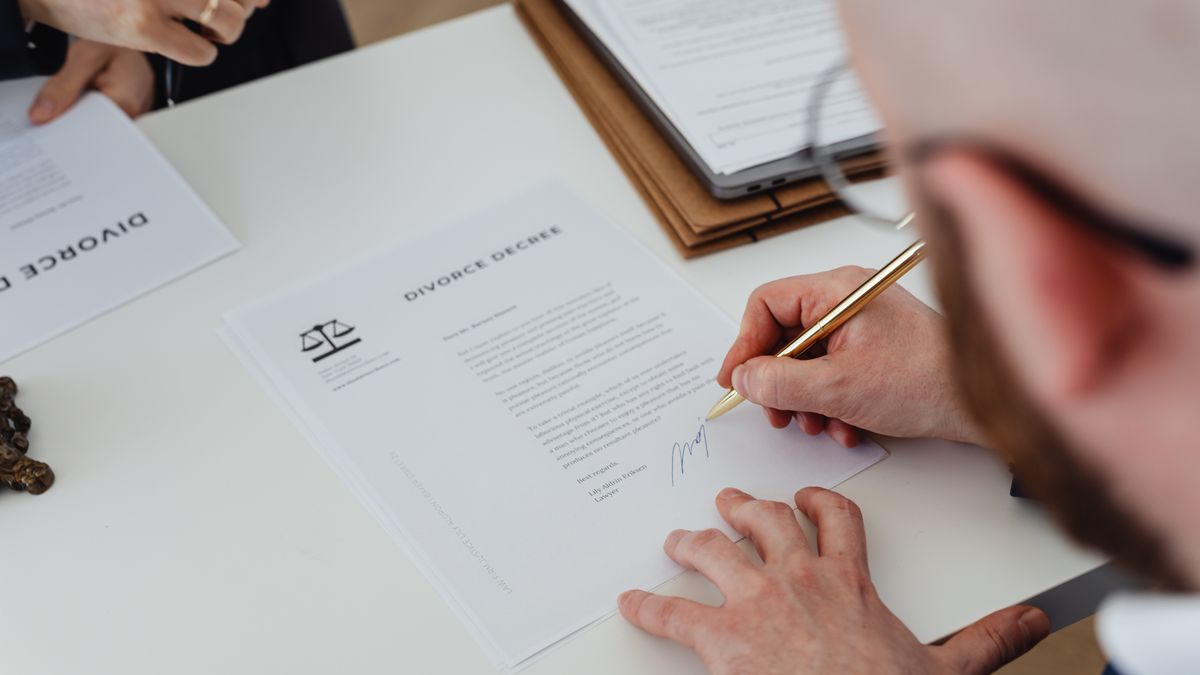
A business purchase agreement governs the transfer of an operational business from seller to buyer. There are two main forms. In an asset-liability transaction, the buyer purchases individual components: inventory, machinery, equipment, the customer list, the trade name, and goodwill. In a share transaction, the buyer purchases the shares of the BV, whereby the business, including all its assets, is transferred in a single transaction. The share transaction only works if the business is incorporated as a BV; this route does not exist for a sole proprietorship or general partnership.
For SMEs, the asset-liability transaction is the most common. The buyer often chooses which assets to acquire and prefers to leave existing debts with the seller. This makes the description in the contract important: anything not explicitly stated does not, in principle, transfer.
What is transferred during an acquisition?
The purchase agreement lists exactly what the buyer receives. Consider:
- Tangible assets: inventory, machinery, stock and rolling stock.
- Intangible assets: trade name, trademark rights, domain names and customer base.
- Goodwill: the added value above the book value, often the largest part of the price.
- Contracts: leases, suppliers, and subscriptions, which transfer with the cooperation of the other party.
- Personnel: in the event of a transfer of undertaking, employees transfer by operation of law.
The transfer of personnel deserves special attention. When an undertaking or an independent part thereof is transferred, the employees retain their rights and obligations under Article 7:662 et seq. of the Dutch Civil Code. The buyer therefore cannot simply exclude those employees from the deal or impose different terms of employment.
Warranties, indemnities and due diligence
A buyer never knows everything about the company he is acquiring. Therefore, he investigates the matter beforehand, known as due diligence, and records agreements in guarantees. A guarantee is a promise by the seller that a certain fact is correct, for example, that the annual figures are accurate or that there are no pending lawsuits. If such a guarantee is incorrect, the seller is liable for damages.
In addition to warranties, indemnities are often included. An indemnity covers a known risk, such as an ongoing dispute with a supplier: if that risk materializes, the seller pays. This way, you distribute the risks in advance rather than litigating over them afterwards.
Purchase price, payment and earn-out
The purchase price usually consists of a fixed part and sometimes a variable part. With an earn-out, part of the price depends on the future results of the company. This is useful if the buyer and seller cannot agree on the value: the seller receives a deferred payment if the business continues to perform well. However, be sure to clearly define how you measure the results, otherwise disputes will arise later.
Practical example. An entrepreneur acquires a local printing company via an asset-liability transaction. He purchases the machinery, the customer list, and the trade name, but leaves the old tax debt with the seller. The contract includes a guarantee that the stated turnover is accurate and an earn-out for the first two years. If a major customer leaves shortly after the acquisition, the deferred payment will also be lower. In this way, both parties bear part of the risk.
Honest recommendation

For a small, straightforward acquisition without personnel, without debts, and at a low price, you can sometimes manage with a solid model contract that you carefully fill out yourself. As long as the description of what is being transferred is complete and the payment is clearly stated, you do not always need a lawyer.
The situation changes as soon as staff are transferred, goodwill or guarantees are involved, or the price increases. In the case of business transfers, complex contract takeovers, and guarantees that can cost hundreds of thousands of euros, a few hours of advice far outweighs the risk of a failed deal. In those cases, have the contract reviewed in advance.
Want to know more or have the contract drawn up? View the business purchase agreement, read how to drafting a business purchase agreement , and what it costs to have a business purchase agreement drawn up .
Frequently Asked Questions
It is the contract by which you acquire or sell an entire business, including assets, contracts, personnel, and goodwill. It specifies what is transferred, what guarantees the seller provides, and when the risk shifts.
In an asset-liability transaction, you purchase individual components such as inventory, stock, and goodwill. In a share transaction, you purchase the shares of the BV, whereby the business is transferred in a single transaction. A share transaction is only possible with a BV.
In the case of a transfer of undertaking, yes. Pursuant to Article 7:662 et seq. of the Dutch Civil Code, employees retain their rights and obligations. The buyer cannot exclude them from the acquisition or unilaterally impose worse terms.
In the case of an asset and liability transaction, only if this has been explicitly agreed. In principle, anything not stated in the contract does not transfer. In the case of a share transaction, debts remain within the BV and therefore transfer with the shares.
Goodwill is the added value of the company above the book value of its assets, for example due to a strong customer base, brand recognition, or location. In many acquisitions, goodwill constitutes the largest part of the purchase price.
A warranty is a promise by the seller that a certain fact is correct, such as the accuracy of the figures. If the warranty is incorrect, the seller is liable. Without warranties, the buyer bears the entire risk of hidden problems.
An earn-out is part of the purchase price that depends on the future results of the company. It bridges a difference of opinion regarding value: the seller receives a deferred payment if the business continues to perform well.


