

MKB Juristen drafts custom legal documents
It is best not to cobble together or copy important contracts, terms and conditions, and other legal documents yourself. We help entrepreneurs on a budget with customized legal solutions, clear costs upfront, and practical explanations.
- Custom contracts, terms and conditions, and legal documents
- Budget-friendly and clear about the costs upfront
- Request a free consultation or a no-obligation quote
A collision involving a company car, an employee causing damage with a delivery van, or getting injured yourself on the way to a client: traffic damage affects entrepreneurs more often than you might think. And then the tricky question immediately arises: who is liable and who pays for the damage? The answer depends on who was driving, for whom, and to whom the damage was caused. In this article, we outline how liability for traffic damage works for entrepreneurs — from mandatory third-party liability insurance to your responsibility as an employer and the position of the self-employed professional.
The short answer
- Damage to another party: in principle, in the event of an accident involving your motor vehicle, your mandatory third-party liability insurance (WAM) pays for the victim's damages.
- Employee causes damage: as an employer, you are usually liable for errors made by your employee in the performance of their duties (Article 6:170 of the Dutch Civil Code).
- Recovering damages from your employee: that is almost never possible — only in cases of intent or conscious recklessness (Article 7:661 of the Dutch Civil Code).
- Employee is injured in traffic: as an employer, you must ensure adequate insurance for employees who participate in traffic for work.
- Self-employed: you bear your own risk and arrange your insurance yourself — third-party liability is mandatory, but comprehensive and disability coverage are not.
The basics: the mandatory third-party liability insurance (WAM)
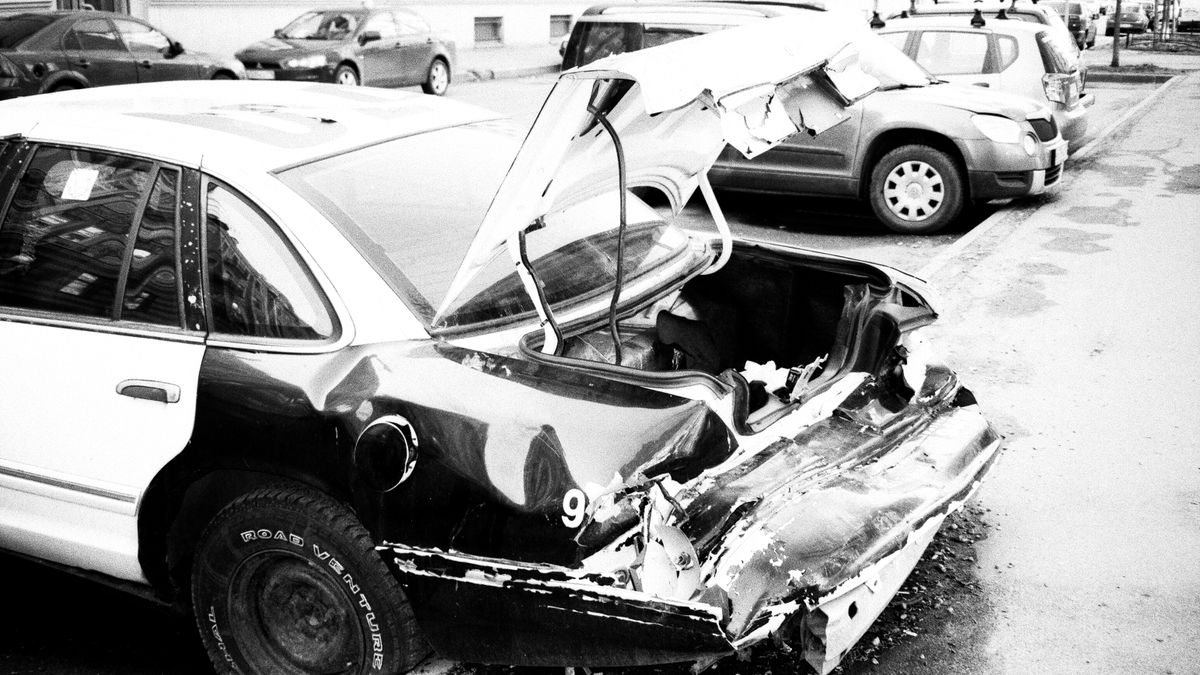
Every motor vehicle that takes to the road must be insured against legal liability. This is stipulated in the Motor Vehicle Liability Insurance Act (WAM). This mandatory third-party liability insurance covers damage that you or your driver cause to others : to the other car, to a cyclist, to a lamppost, or to a passenger.
Important to know: third-party liability insurance only covers the victim's damage, not your own. A dent in your own company car, a total loss, or theft are only covered by supplementary comprehensive insurance (limited or fully comprehensive). If you do not have this, damage to your own vehicle is at your own expense. For a company fleet, this is a deliberate choice: bearing the risk yourself or covering it.
Who is liable if an employee causes damage?

If an employee causes damage while performing their duties — for example, a courier causing a collision during a run — you, as the employer, are in principle liable to the victim. This follows from Article 6:170 of the Dutch Civil Code: the employer is liable for the errors of subordinates, as long as there is a connection between the error and the assigned task.
In practice, the vehicle's third-party liability insurance covers damage to the third party. The questions of “who is liable” and “who pays” therefore usually coincide: the insurer pays out on behalf of the liable party. However, a functional connection is a condition — an employee using the van for a private job without permission could lead to a different situation.
Can you recover the damages from your employee?

A frequently asked question: my employee caused the damage, can I recover it from him? The basic principle of the law is clear and protects the employee. According to Article 7:661 of the Dutch Civil Code, an employee is not liable for damage he causes to the employer or to third parties in the course of his work, unless there is intent or conscious recklessness.
The bar is set high. A moment of inattention, speeding, or a misjudgment in traffic does not constitute deliberate recklessness. Only if the employee was actually aware, immediately before the accident, that he was acting in a highly risky manner, does redress come into play. In most cases, therefore, the employer (or their insurer) bears the damages, including the deductible. If you wish to deviate from this contractually, it is subject to strict limits — have such an agreement legally reviewed.
Your employee is injured in traffic
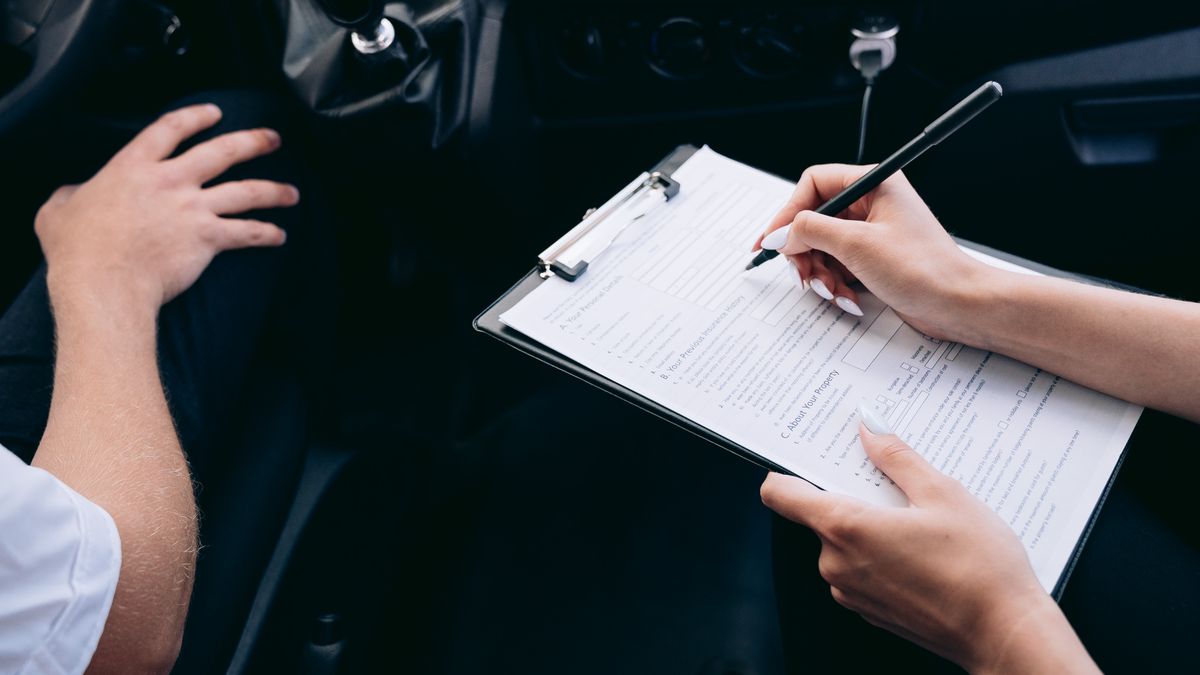
Traffic damage concerns not only damage to others, but also to your own people. As an employer, you have a duty of care. For employees who participate in traffic in the performance of their work —as drivers, but also as cyclists or pedestrians—you must ensure adequate insurance coverage. If you fail to do so and the employee is injured, you may be held liable under the principle of good employership (Article 7:611 of the Dutch Civil Code) for damages that adequate insurance would have covered.
Note the distinction: this applies to journeys made in the course of work, such as deliveries, client visits, or driving between locations. Regular commuting is generally excluded, although this may be different if the travel is strongly intertwined with work. It therefore pays to check whether you have adequate passenger or accident insurance for those who take to the road for your company.
And what about the self-employed person?

If you are self-employed without employees, the situation is simpler and riskier: you have no employer to cover the damage. If you cause damage to someone else, your mandatory liability insurance covers it. But:
- the cost of your own vehicle damage yourself, unless you have comprehensive insurance.
- your own injuries and loss of revenue due to incapacity for work yourself — consider disability insurance (AOV) or another provision.
- Damage to goods or clients may be covered under your business or professional liability insurance (AVB/AVP), but not under your car insurance.
As a self-employed professional, you are in charge, so it is wise to consciously put together your insurance package based on the risks you face in traffic.
What can you do now?
- Map out your fleet. Which vehicles do you have, who drives them, and what is insured under third-party liability, limited comprehensive, or full comprehensive?
- Check your insurance for employees in traffic. Do you have adequate (passenger/accident) coverage for those who take to the road for work?
- Make clear agreements regarding vehicle usage. Document what is and is not allowed with the company car, and how you handle the deductible in the event of damage.
- Be cautious about seeking recourse from staff. Do not automatically pass on damages to an employee; this is almost never permitted and quickly leads to an employment dispute.
- Are you unsure about specific damage? Have your situation legally assessed before admitting or denying liability.
Honest recommendation

Traffic accidents are rarely black and white. Liability depends on the driver's role, the functional connection to work, and who sustained the damage. For most entrepreneurs, the profit lies not in legal wrangling after the fact, but in having your insurance in order beforehand: comprehensive third-party liability coverage, consciously chosen comprehensive insurance, and adequate insurance for your employees on the road. If things do go wrong and serious damage or injury is involved, do not immediately admit or dispute liability, but first have the legal situation assessed. A quick check prevents you from unnecessarily paying for damages that belong to the insurer or the opposing party — or from wrongly making an employee pay.
Read also: low hourly rate and the legal presumption of employment and other legal news on our blog.
Frequently Asked Questions
As an employer, you are in principle liable for traffic damage caused to another party by your employee in the performance of their duties (Article 6:170 of the Dutch Civil Code). In practice, the vehicle's mandatory third-party liability insurance covers the damage to the third party, provided there is a connection to the assigned work.
Almost never. Pursuant to Article 7:661 of the Dutch Civil Code, an employee is not liable for damage caused at work, unless there is intent or conscious recklessness. Ordinary inattention or an error of judgment does not fall under this, so the employer usually bears the damage and the deductible.
No. The mandatory third-party liability insurance (WAM) only covers damage you cause to others. Damage to your own vehicle, total loss, or theft are only covered by supplementary comprehensive insurance (limited or fully comprehensive).
As an employer, you must provide adequate insurance for employees who participate in traffic in the course of their work. If you fail to do so, you may be held liable under the principle of good employership (Article 7:611 of the Dutch Civil Code) for damages that adequate insurance would have covered. In principle, this does not apply to ordinary commuting.
As a self-employed professional, you do not have an employer to absorb the damage. Your mandatory third-party liability insurance covers damage to others, but you must cover your own vehicle damage (comprehensive), personal injury and loss of revenue (disability insurance), and damage to clients (business liability) yourself through supplementary insurance.
Deliberate recklessness means that the employee was actually aware of the highly risky nature of his behavior immediately before the accident. The bar is set high; speeding or a misjudgment is not sufficient in itself. Only in such exceptional cases can the employer recover the damages from the employee.




