

MKB Juristen drafts custom legal documents
It is best not to cobble together or copy important contracts, terms and conditions, and other legal documents yourself. We help entrepreneurs on a budget with customized legal solutions, clear costs upfront, and practical explanations.
- Custom contracts, terms and conditions, and legal documents
- Budget-friendly and clear about the costs upfront
- Request a free consultation or a no-obligation quote
Having an AI usage policy for enterprises drafted by a specialized SME lawyer typically costs between €500 and €1,500, depending on the size of your company and whether you work with a lot of confidential data. You receive a tailored document that sets out which AI tools are permitted, which data may and may not be accessed, and who is responsible — legally aligned with your GDPR obligations and employee handbook. Below is what you get, how the process works, and when outsourcing is worthwhile.
The short answer
- Costs: €500 – €1,500 for a custom document from an SME lawyer.
- Lead time: usually 1 to 3 weeks.
- Result: a policy with a tool policy, data rules, and responsibilities.
- Added value: alignment with GDPR and employment conditions, demonstrably compliant.
- Alternative: do it yourself with a template for a small, low-risk team.
- When to outsource: for customer or personal data and confidentiality agreements.
Having an AI usage policy drafted for enterprises: what do you get
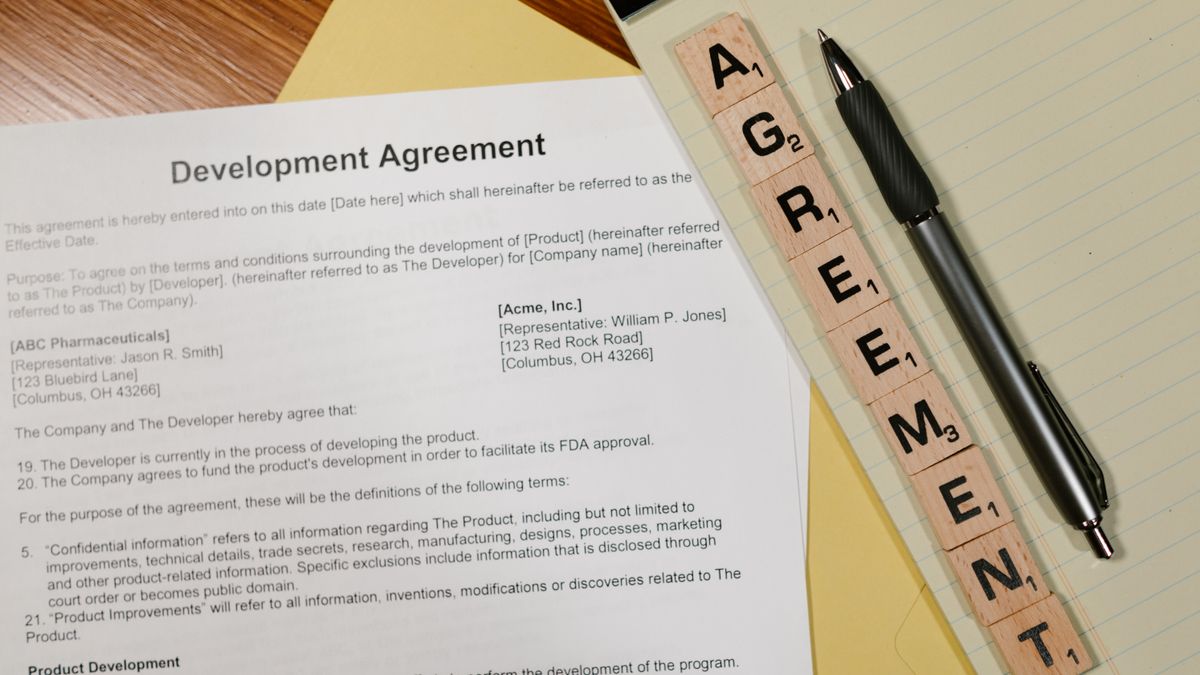
A good outsourced policy is not a generic template with your company name in it, but a document tailored to what your employees actually do with AI. You receive a list of permitted and prohibited tools that fits your industry, concrete data rules aligned with the level of confidentiality you work with, and a division of responsibilities that aligns with your organization. Importantly, the text must be legally sound: it must comply with the GDPR and, if you want to make the policy enforceable, with your employee handbook.
The process
Outsourcing usually proceeds in a few straightforward steps:

- Intake: the legal expert maps out which AI tools you use, with which data, and with which risks.
- Draft: you will receive a first version with tool policy, data rules, and responsibilities.
- Feedback round: you add to or correct, for example the tool list or the sanctions line.
- Final version: the policy is being finalized, ready to be shared or signed.
The turnaround time is usually one to three weeks, mainly determined by how quickly you provide the intake information.
What determines the price

- Company size: more employees and departments mean more customization.
- Data sensitivity: working with large amounts of personal data or trade secrets requires stricter rules.
- Linking with other documents: aligning with the privacy policy, employee handbook, or confidentiality agreements requires extra work.
- Number of feedback rounds: one round is usually included in the price; additional rounds may be added.
For a small company with a limited toolset, you are at the lower end of the range; for an organization with multiple departments and a lot of customer data, it runs towards €1,500 or higher.
Do it yourself or outsource
Not every company needs to outsource this. The consideration:
- Do it yourself: small team, only general or anonymized texts, no strict confidentiality requirements. A template and an afternoon's work suffice.
- Outsourcing: you process personal data or customer data, have confidentiality agreements with clients, or wish to make the policy part of employment terms and conditions with enforcement consequences.
The added value of a legal expert lies primarily in aligning with your GDPR obligations and enforceability: an incorrectly formulated sanction or a gap in data rules only becomes apparent when something goes wrong, and then it is expensive.
A brief practical example
A software company with thirty employees works with customer code and personal data. They have the policy drafted because a major client requires proof that AI usage is under control. The legal expert aligns the tool policy with their development environment, links the data rules to their confidentiality agreements, and incorporates the sanctions policy into the employee handbook. Cost: around €1,200, turnaround time: two weeks. The client is satisfied, and the company is in a stronger position for the next tender.
Honest recommendation

Don't let anyone tell you that every company needs a lawyer for this document. If you work alone or with a small team that exclusively processes general, non-confidential texts using an AI tool, a self-made policy based on a template is fine—outsourcing is a waste of money in that case. Outsourcing only really pays off when you work with customer or personal data, have confidentiality agreements with clients, or the policy needs to be demonstrably enforceable and GDPR-compliant. In that case, request a fixed price and a concrete intake so you know exactly what you are getting.
Read more or get started immediately: AI usage policy for enterprises, what is an AI usage policy and drafting an AI usage policy.
Frequently Asked Questions
Usually €500 to €1,500 with a specialized SME lawyer. The price depends on the size of your company, how much confidential data you process, and whether the policy needs to align with your privacy policy and employee regulations.
Typically one to three weeks. The turnaround time is primarily determined by how quickly you provide the intake information — which tools you use, with which data, and with which risks. The writing itself proceeds relatively quickly after that.
A tailored document containing a list of permitted and prohibited AI tools, concrete rules regarding which data may and may not be entered, a division of responsibilities, and a compliance section. Legally aligned with the GDPR and, if desired, with your employment terms.
When you work with customer or personal data, have confidentiality agreements with clients, or want to make the policy demonstrably enforceable, the wording must legally align with your GDPR obligations and personnel regulations. This is precisely where doing it yourself poses risks.
Yes. For a small team that only runs general or anonymized texts through an AI tool and has no strict confidentiality requirements, a custom-made policy based on a template suffices. Outsourcing is not necessary in that case.
The size of your company, the sensitivity of the data you work with, the integration with other documents such as your privacy policy or employee handbook, and the number of feedback rounds. More customization and more integrations mean a higher price.
Recommended. Demonstrably sharing with or having it signed by employees makes the policy verifiable and enforceable. If you want to make it part of the terms of employment, demonstrable agreement from employees is legally important.


