

MKB Juristen drafts custom legal documents
It is best not to cobble together or copy important contracts, terms and conditions, and other legal documents yourself. We help entrepreneurs on a budget with customized legal solutions, clear costs upfront, and practical explanations.
- Custom contracts, terms and conditions, and legal documents
- Budget-friendly and clear about the costs upfront
- Request a free consultation or a no-obligation quote
You draw up lease terms by establishing the fixed standard rules regarding maintenance, service charges, security, penalties, and handover in a separate document that accompanies every lease agreement. As a landlord, you use these terms for all your tenants so that you do not have to agree on the same provisions again and again. For commercial premises, the general provisions of an ROZ model often form the basis, supplemented by your own agreements tailored to your properties.
The short answer
- What: a separate document containing the standard rules alongside the rental agreement.
- To be recorded: maintenance, service charges, security, use, fines, delivery and liability.
- Basis: often the general provisions of the ROZ model.
- Validity: binding only if provided in advance (Articles 6:233 and 6:234 of the Dutch Civil Code).
- Note: reasonable fines, transparent service charges, and a clear division of maintenance.
Drafting rental conditions: the basics

Rental terms are general terms and conditions. They contain the provisions that you, as a landlord, want to apply to every tenant, regardless of the specific price and duration. By properly establishing these rules once, you use them repeatedly and keep your lease agreements concise and clear. For commercial premises, the general terms and conditions in the ROZ model form a useful basis because they are widely used and legally proven.
It is important that the terms and conditions align with your situation. Different rules apply if you rent out office space, retail space, or residential property. In the case of residential property, the tenant enjoys strong legal protection, and many deviating clauses are invalid. There is more freedom with commercial property. Therefore, tailor your rental terms to the type of space you are renting out.
What belongs in it?

- Maintenance: a clear division of maintenance costs between tenant and landlord.
- Service charges: which items fall under them, how they are allocated, and that they are settled annually.
- Security: the requirements for a security deposit or bank guarantee and the conditions for release.
- Use: rules regarding intended use, subletting, and modifications to the leased property.
- Payment and fines: payment terms and a reasonable fine for late payment or violation.
- Delivery: the condition in which the leased property must be returned at the end.
- Liability: who is liable for what and which exclusions are reasonable.
Pay attention to reasonableness and delivery
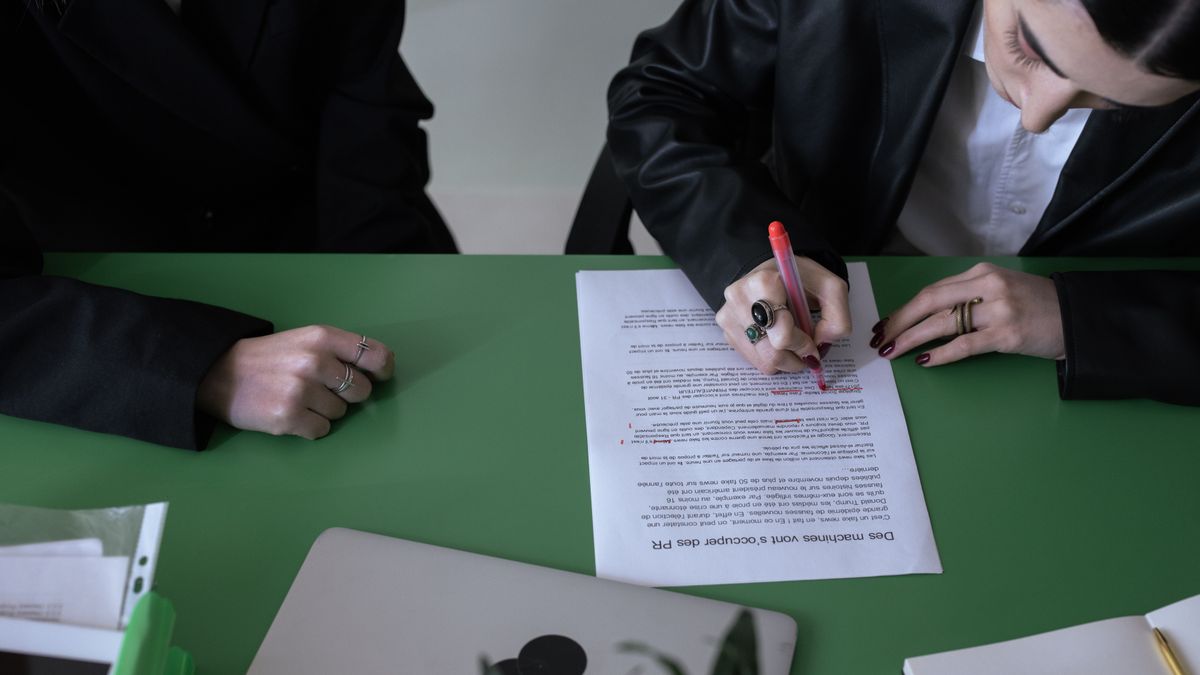
When drafting, two things are decisive. First, the reasonableness of the clauses. An unreasonably burdensome clause, such as an exorbitant fine without a maximum, can be set aside by the court. Keep fines proportionate and link them to a clear violation. A penalty clause that holds up is more effective than a harsh clause that fails.
Secondly, the provision of the terms and conditions. Rental conditions are only binding if you hand them over to the tenant in advance or upon concluding the contract, pursuant to Articles 6:233 and 6:234 of the Dutch Civil Code. A mere reference in the lease agreement is not sufficient. Submit the conditions as an attachment and have the tenant confirm receipt. This prevents a clause from being invalidated later.
A landlord of office units had drawn up strict rental terms but only emailed them after signing. When he wanted to collect a penalty for late payment, the tenant was able to successfully challenge the penalty clause because the terms had not been provided in advance. A brief confirmation of receipt at the time of signing would have prevented this.
Connect to the lease agreement
Rental conditions are not separate from the rental agreement. Ensure that both documents complement each other and do not contradict one another. In the rental agreement, explicitly refer to the applicable rental conditions, stating the version or date. In the event of a conflict, the specific agreement in the contract usually takes precedence over the general provision.
Moreover, update your terms and conditions periodically. Legislation and case law change, and an outdated penalty or service charge clause may lose its effectiveness. One set of current, reasonable rental terms that you correctly provide to every tenant is worth more than a strict set that the court will not accept.
Honest recommendation

If you rent out a single room on an occasional basis using a standard ROZ model, you do not need separate rental conditions; the standard general terms and conditions accompanying that model suffice. Hand them out in advance, have receipt confirmed, and sign them. For a simple, one-off rental, that is sufficient.
Have your rental terms drafted or reviewed once if you rent out multiple properties, use deviating or strict clauses, or require customization that goes beyond the standard model. You can use a single, professionally drafted set that holds up legally for years with all your tenants. This pays for itself as soon as you really need to enforce a fine or service charge settlement.
Want to know more? View the rental terms and conditions, first take your time to read what rental terms and conditions are, or discover what it costs to have rental terms and conditions drawn up.
Frequently Asked Questions
You establish the fixed standard rules in a separate document alongside the lease agreement: maintenance, service charges, security, use, penalties, delivery, and liability. For commercial premises, the general provisions of the ROZ model often form the basis.
A clear division of maintenance, transparent service charges with an annual settlement, security requirements, reasonable penalties, rules regarding use and subletting, and the obligation to deliver the property in full. Tailor the content to the type of space you are renting out.
Only if you provide them to the tenant in advance or upon concluding the contract, pursuant to Articles 6:233 and 6:234 of the Dutch Civil Code. A reference in the agreement is not sufficient. Provide them as an attachment and have receipt confirmed.
A fine must be proportionate and linked to a clear violation. An unreasonably onerous clause, such as an exorbitant fine without a maximum, can be set aside by the court. A reasonable fine that holds up is more effective.
Yes, the general provisions in the ROZ model are a good basis. However, they are landlord-friendly, so check whether they align with your situation and the type of space. Update them periodically, as legislation and case law change.
No. In the case of residential property, the tenant is strongly protected by law, and many deviating clauses are invalid. Draft separate conditions for residential property that remain within the mandatory rules; otherwise, provisions will be struck down by the court.
Yes. Explicitly refer to the applicable rental conditions in the lease agreement and ensure that both documents do not contradict each other. In the event of a conflict, the specific agreement in the contract usually takes precedence.




