

MKB Juristen drafts custom legal documents
It is best not to cobble together or copy important contracts, terms and conditions, and other legal documents yourself. We help entrepreneurs on a budget with customized legal solutions, clear costs upfront, and practical explanations.
- Custom contracts, terms and conditions, and legal documents
- Budget-friendly and clear about the costs upfront
- Request a free consultation or a no-obligation quote
Drafting an official employee warning involves concretely and datedly documenting which behavior or performance is unsatisfactory, which agreement or instruction has been violated, and what you expect from the employee. The law imposes no formal requirements; rather, it is the content that determines whether the warning will later hold up as evidence before the subdistrict court. A good warning is factual, reasonable, and verifiable, and aligns with the principles of good employership under Article 7:611 of the Dutch Civil Code.
The short answer
- Facts: describe concretely what happened, with date, time, and place.
- Norm: state which agreement, instruction, or house rule has been violated.
- Expectation: define what you expect from the employee and by when.
- Consequence: indicate what repetition could entail, such as an improvement plan or dismissal.
- Response and receipt: provide space for a response and have someone sign for receipt.
Drafting an official employee warning: the key components
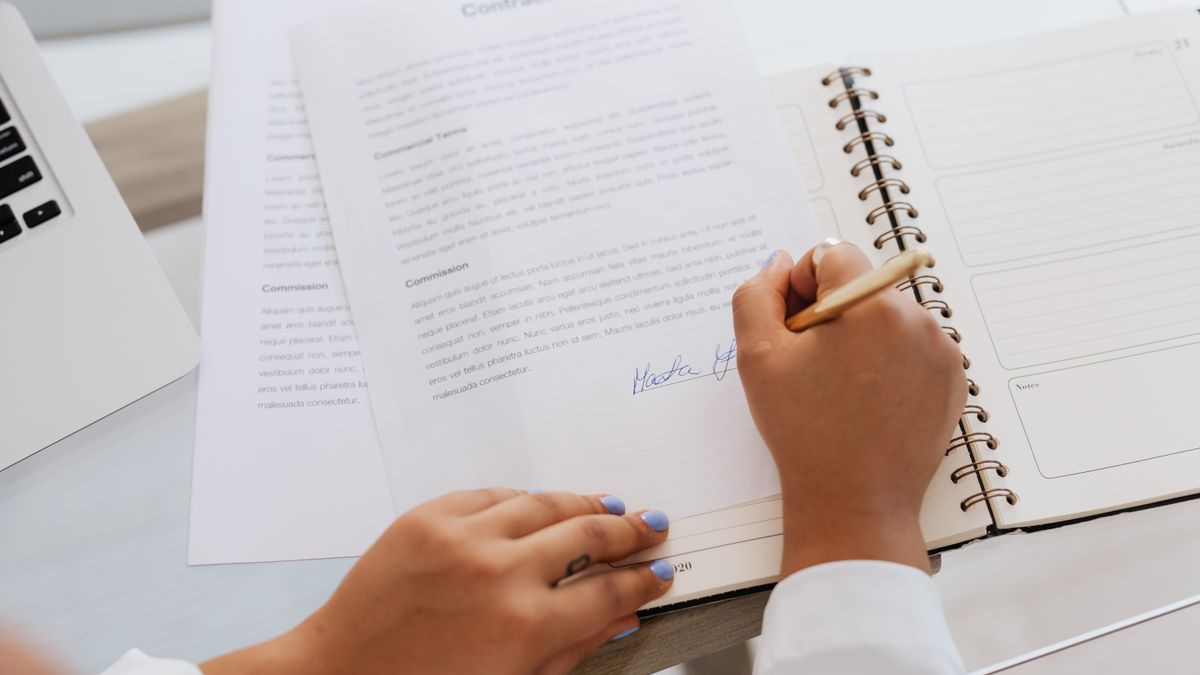
A useful warning always contains the same building blocks. The core is that an outsider, in this case the subdistrict court judge, must be able to deduce from the letter exactly what went wrong and why the employee can be held accountable. Therefore, include:
- Addressing and date: name of the employee, position, and the date on which you issue the warning.
- Factual description: what happened, when, and where. Avoid judgments such as “rude” and describe the behavior itself.
- Violated standard: refer to the employment contract, the employee handbook, a previous instruction, or a house rule.
- Previous conversations: if a verbal warning has already been given, state this with the date.
- Concrete expectation: what needs to change and within what timeframe.
- Consequence: what happens repeatedly.
Formulate factually and concretely
The biggest mistake when drafting is remaining vague. “Your attitude hasn’t been good lately” is not a usable reproach. “On March 12 and March 19, you showed up for your shift 45 minutes late without notifying us” is. The more concrete you are, the harder it is for the employee to dismiss the reproach and the stronger the case file.
Describe behavior, not character. Mention times, dates, and, where relevant, the consequences for the work or for colleagues. Refer to the norm that has been violated. This makes it clear that you are not targeting anyone personally, but enforcing an objective rule.
The legal anchors

There are no statutory formal requirements for a warning. Nevertheless, the context determines its weight. If you wish to dissolve the employment contract later due to culpable conduct, the e-ground of Article 7:669 paragraph 3 of the Dutch Civil Code applies. If it concerns unsatisfactory performance, the d-ground applies; moreover, this requires a realistic improvement plan. In both cases, the court examines whether the employee was warned in a timely and clear manner.
Article 7:611 of the Dutch Civil Code concerning good employership influences the way you issue a warning. The measure must be proportionate, the employee must have the opportunity to respond, and the expectation must be achievable. A warning that reflects this reasonableness holds up better than a threatening letter that immediately resorts to dismissal.
Structure and tone

Build up the response to severity. A first, minor infraction receives a standard warning. If the behavior is repeated, a second or final warning follows, in which you outline the possible consequences. This structure shows that you are consistent and have genuinely given the employee a chance to improve.
Keep the tone professional. Record a fact and an expectation, not emotion. Provide space for a written response from the employee and add that response to the file. This demonstrates that both sides have been heard, which increases the value of the file.
A practical example
A catering company with twelve employees drafts a warning for an employee who failed to follow the hygiene protocols twice. The letter states the two dates, exactly which protocol was violated, that this had already been discussed verbally on April 3, and that the employee must adhere to the protocols during every shift from now on. The letter states that repetition may lead to an improvement plan or dismissal. The employee is given two weeks to respond in writing and signs for receipt. The document is concise, factual, and complete, exactly what a subdistrict court judge can weigh later.
Honest recommendation

You can easily draft a standard warning about being late or ignoring a clear house rule yourself. If you write down the facts concretely and with dates, name the violated norm, and make the expectation clear, you do not need a lawyer. For most first warnings, a carefully completed standard letter suffices.
Do seek assistance when the warning is a prelude to dismissal, when it is linked to an improvement plan, or when the employee disputes the accusation or announces countermeasures. In those cases, legally watertight wording carries more weight than the hourly rate.
Do you want to understand the basics first? Then read what an official employee warning is, or see what it costs to have such a warning drafted. You can find a ready-made template on the official employee warning.
Frequently Asked Questions
At a minimum: a factual description of what happened, including the date, the standard or agreement that was violated, a concrete expectation for the future, and the consequence in case of recurrence. Additionally, leave space for a response from the employee and for confirmation of receipt.
Describe behavior, not character. Mention dates, times, and places, and refer to the violated rule. Avoid judgments and superlatives. The more concrete and verifiable the text, the better the warning will stand up in the subdistrict court.
Article 7:611 of the Dutch Civil Code concerning good employership stipulates that the warning must be proportionate and reasonable. Article 7:669 paragraph 3 of the Dutch Civil Code lists the grounds for dismissal, including culpable conduct (ground e) and poor performance (ground d), whereby a documented warning is taken into account as evidence.
Yes, if there are any. Mention previous verbal or written warnings with the date. This shows that the behavior is recurring and that the employee has been spoken to previously, which strengthens the build-up of the file.
It is wise. By giving the employee the opportunity to respond in writing, you ensure that both sides are heard. Add the response to the file. This is consistent with good employership and makes the file more balanced and convincing.
That may be disproportionate for a minor, first offense. Increase the severity as the behavior recurs. In cases of seriously reprehensible conduct, stating possible consequences may be appropriate immediately. Proportionality is the guiding principle.
Hand over the letter in person and have it signed for receipt, or send it by registered mail. Always keep a copy in the personnel file. If the employee refuses to sign, registered mail or confirmation by a witness suffices as proof of receipt.


