

MKB Juristen drafts custom legal documents
It is best not to cobble together or copy important contracts, terms and conditions, and other legal documents yourself. We help entrepreneurs on a budget with customized legal solutions, clear costs upfront, and practical explanations.
- Custom contracts, terms and conditions, and legal documents
- Budget-friendly and clear about the costs upfront
- Request a free consultation or a no-obligation quote
The statutory minimum wage will increase in two steps in 2026. As of January 1, 2026, the statutory minimum hourly wage is €14.71 gross per hour for employees aged 21 and over. As of July 1, 2026, this will rise to €14.99 gross per hour. The minimum wage is adjusted every six months — on January 1 and July 1. For employers, this means that your payroll records must be updated twice a year, and those who pay too little risk back taxes and a fine from the Labour Inspectorate. Below are the amounts, what changes for you as an employer, and what you can arrange now.
The short answer
- As of January 1, 2026: minimum hourly wage €14.71 gross per hour (employees aged 21 and older).
- As of July 1, 2026: minimum hourly wage €14.99 gross per hour (21 years and older).
- Twice a year: the minimum wage is adjusted every six months, on January 1 and July 1.
- Under 21: lower, age-based youth minimum wages — a percentage of the adult rate.
- Per hour, not per month: since 2024, a single statutory minimum hourly wage applies; working more hours results in a proportionally higher minimum wage.
- Risk: in the event of underpayment, the Labour Inspectorate may impose an additional assessment and a fine.
Why does the minimum wage change every six months?

The statutory minimum wage is adjusted twice a year to reflect average wage developments: on January 1 and July 1. This ensures that the minimum wage roughly keeps pace with collective labor agreement wages in the market. This means that the 2026 minimum wage is not a fixed figure, but changes twice: from €14.71 on January 1 to €14.99 on July 1.
Since 2024, the Netherlands no longer has a statutory minimum monthly wage, but rather a statutory minimum hourly wage. That sounds like a detail, but it isn't. Previously, the minimum monthly wage was the same regardless of whether you worked 36, 38, or 40 hours per week — meaning those who worked more hours received less per hour. Now, a single hourly rate applies to everyone. Those who work more hours receive a proportionally higher minimum wage. For employers with 40-hour full-time employees, this transition meant a higher total payroll than under the old monthly system.
The youth minimum wage for employees under 21

The minimum hourly wage of €14.71 (and €14.99 from July 1) applies to employees aged 21 and older. Lower amounts apply to younger employees: the minimum youth wages. These are a fixed percentage of the adult rate and increase with age.
- A percentage per age group. A 20-year-old earns at least 80% of the adult minimum hourly wage, while an 18-year-old earns considerably less. The younger the person, the lower the statutory minimum.
- Also included twice a year. Because youth wages are a percentage of the adult rate, they automatically adjust on January 1 and July 1.
- Birthday = adjustment. If a young employee gets older during the year, you must adjust the salary to the new age scale starting from that birthday. In practice, this is often forgotten.
Do you work with students, seasonal workers, or young employees? Keep a close eye on both the semi-annual adjustment and birthdays. Both moments result in a new minimum.
What does this mean for employers?

The increase itself is straightforward, but the consequences for your administration and contracts are greater than many employers think. The key points to consider:
- Update payroll records twice a year. Payroll software usually adjusts the minimum hourly wage automatically, but check this on January 1st and July 1st. Do you work with a fixed gross monthly salary? Convert that to an hourly rate to check if you remain above the minimum.
- Employment contracts. Preferably agree on an hourly wage or a wage “in accordance with the statutory minimum” in the contract, rather than a fixed amount that falls below the minimum over time.
- Piecework. Anyone paying per piece or per performance must ensure that the wage, converted to an hourly rate, never falls below the statutory minimum hourly wage. The hours worked remain the determining factor.
- All-in wage. With an all-in hourly wage (including holiday pay and holiday hours), the basic wage, after deduction of those components, must still be at least the minimum hourly wage. An all-in rate that is slightly above the minimum may turn out to be too low after correction.
- Allowances do not always count. You may not include some allowances and reimbursements to reach the minimum wage. Calculate the basic hourly wage separately.
Risk of underpayment: additional assessment and fine

The minimum wage is mandatory law: you cannot legally deviate from it with an employee, even if the employee agrees to a lower wage. The Dutch Labour Inspectorate monitors compliance and can take firm action:
- Back payment. If you pay too little, you must still pay the difference to the employee — retroactively for the entire period.
- Administrative fine. The Labour Inspectorate can impose a fine per employee and per violation. With multiple employees or a longer period, this adds up quickly.
- No malicious intent is required. Even an administrative error — for example, forgetting the semi-annual adjustment or a birthday — counts as a violation. Ignorance of the rules is no excuse.
- Employee claims. Apart from the Labour Inspectorate, an employee can claim back wages themselves, possibly with a statutory increase and interest.
Underpayment is therefore not a minor accounting error, but a risk that can result in both a fine and back payment. The audit is administratively simple; precisely for this reason, underpayment is quickly spotted by the inspectorate.
When does it take effect?
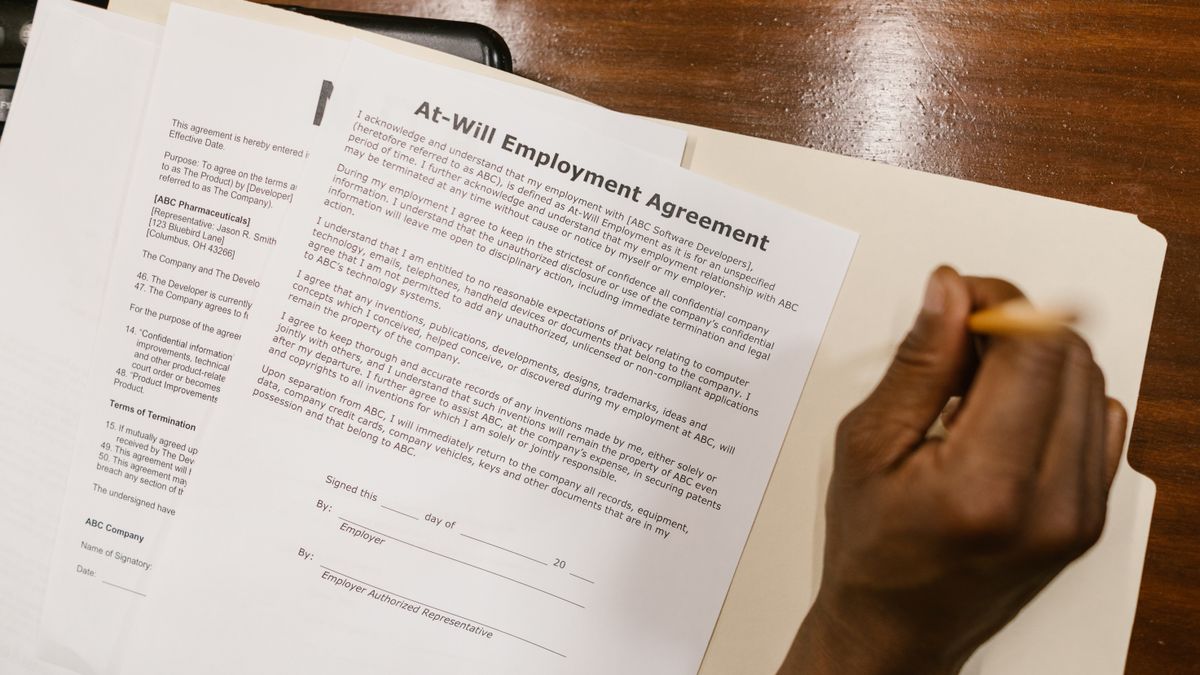
The dates have been set. The minimum hourly wage of €14.71 applies from 1 January 2026.As of 1 July 2026, it will rise to €14.99. Both adjustments apply automatically from the first pay period on or after that date — you do not need to apply for anything, but you must correctly implement the amounts in your payroll records yourself. The next semi-annual adjustment will follow on 1 January 2027.
What can you do right now?
- Check your payroll records on both dates. Mark January 1 and July 1 in your calendar as fixed check dates and verify whether the new minimum amounts have been processed.
- Convert fixed monthly wages back to an hourly rate. This way, you can immediately see if employees with a low monthly wage fall below the minimum hourly wage.
- Review your employment contracts. Replace fixed amounts that threaten to fall below the minimum with the wording “in accordance with the statutory minimum hourly wage”.
- Check piecework and all-in agreements. Convert these to an hourly rate and ensure that this never falls below the minimum.
- Keep track of young employees' birthdays. Adjust the youth wage on their birthday, not just during the semi-annual review.
Honest recommendation

For most employers, this is no reason to panic: if you are already paying well above the minimum wage, the main thing to do is perform a follow-up check on January 1st and July 1st. The biggest risks lie not in the increase itself, but in the details — a fixed monthly wage that quietly drops below the minimum hourly wage, a forgotten birthday for a young employee, or an all-in or piecework agreement that turns out to be too low after correction. This is precisely where the Labour Inspectorate intervenes, because it is administratively easy to verify. If you work with students, part-timers, or variable pay, have your wage agreements and contracts reviewed. That is a small investment that prevents retroactive back payments plus a fine.
Read also: hourly rate under 38 euros and check out our blog for more on employment law and personnel.
Frequently Asked Questions
As of January 1, 2026, the statutory minimum hourly wage is €14.71 gross per hour for employees aged 21 and over. As of July 1, 2026, this increases to €14.99 gross per hour. The minimum wage is adjusted every six months, on January 1 and July 1.
The statutory minimum wage is adjusted every six months to reflect average wage trends, on January 1 and July 1. This ensures it remains roughly in line with collective labor agreement wages. As a result, the 2026 minimum wage will change twice: €14.71 from January and €14.99 from July.
Lower youth minimum wages apply to employees under 21, a percentage of the adult rate that increases with age. They adjust automatically on January 1 and July 1. Please note: on a birthday, you must adjust the wage to the new age scale.
Since 2024, the Netherlands has had a single statutory minimum hourly wage instead of a minimum monthly wage. As a result, the same hourly rate applies to everyone: those who work more hours receive a proportionally higher minimum wage. For employers with full-time employees, this meant a slightly higher payroll.
The minimum wage is mandatory law. If you pay too little, you must pay the difference retroactively, and the Labour Inspectorate can impose an administrative fine per employee. An administrative error, such as a forgotten adjustment, also counts as a violation.
In the case of piecework, the wage, converted to an hourly rate based on the hours worked, must never fall below the minimum hourly wage. In the case of an all-in hourly wage, the basic wage, after deduction of holiday pay and holiday hours, must still be at least the minimum hourly wage.
Mark January 1st and July 1st in your calendar as fixed checkpoints, convert fixed monthly wages back to an hourly rate, review your employment contracts and piecework or all-in agreements, and keep track of the birthdays of young employees. In doubt? Have your wage agreements legally reviewed.




