

MKB Juristen drafts custom legal documents
It is best not to cobble together or copy important contracts, terms and conditions, and other legal documents yourself. We help entrepreneurs on a budget with customized legal solutions, clear costs upfront, and practical explanations.
- Custom contracts, terms and conditions, and legal documents
- Budget-friendly and clear about the costs upfront
- Request a free consultation or a no-obligation quote
You establish an interruption of the limitation period by means of a written demand or notice in which you specify the claim and unequivocally reserve your right to performance (Art. 3:317 BW). The letter must clearly state which claim is involved, to whom it is addressed, and that you continue to demand performance, so that the limitation period is validly interrupted and a new period begins to run (Art. 3:319 BW).
The short answer
- Core: a written demand or notification with an unambiguous reservation of your right (Art. 3:317 BW).
- Contents: parties, the claim, the amount, the basis and the date.
- Reservation: explicitly state that you continue to demand performance.
- Shipment: registered mail, with retained proof of shipment and receipt.
- Timing: before the end of the limitation period (often five years, Art. 3:307 BW).
Drafting a statute of limitations interruption: the standard components
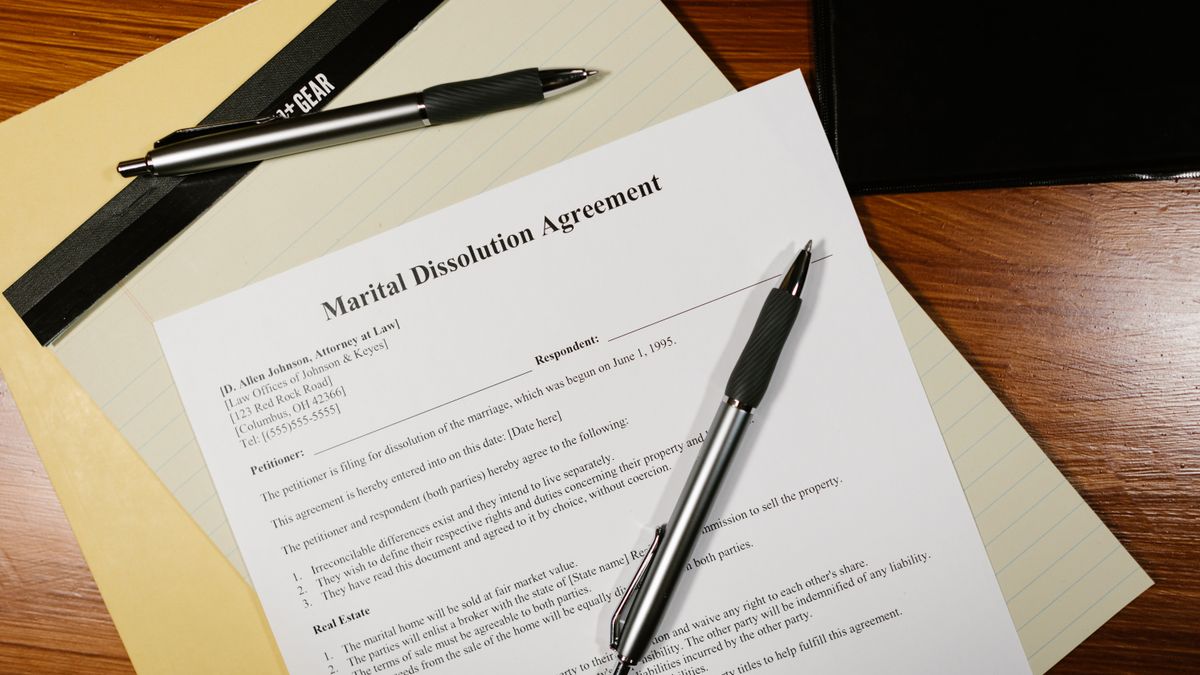
A letter interrupting the limitation period is not a standard formal demand. The purpose is to interrupt the statute of limitations, and the law sets substantive requirements for this. Pursuant to Article 3:317 of the Dutch Civil Code, the letter regarding a legal claim for performance of an obligation must be a written formal demand or notification in which you unequivocally reserve the right to performance. If that reservation is missing or the claim is insufficiently defined, the interruption may fail.
The letter therefore contains at least: the details of both parties, a concrete description of the claim, the amount or performance, the basis (for example, an invoice or agreement), the date, and the express reservation. This way, the debtor knows exactly which claim you are referring to and that you continue to pursue it.
The unambiguous reservation
The heart of the interruption letter is the statement that you reserve the right to performance. This must be unambiguous. A sentence such as: “I expressly and unambiguously reserve all rights to performance of this claim” leaves no room for doubt. A wording that is too non-committal, such as merely asking whether it has been paid yet, may be insufficient. The debtor must be able to deduce from the letter that he must take into account that you will continue to assert the claim.
What information do you include?

- Sender and recipient: full name and address details of both parties.
- The claim: which performance or amount you demand.
- The basis: the agreement, invoice, or event upon which the claim is based.
- The amount: the principal and any interest and costs.
- The reservation: the unambiguous statement that you continue to demand performance.
- Date and signature: so that the moment of interruption is established.
The more concrete the description, the smaller the chance of dispute regarding whether the correct claim has been interrupted. Where possible, refer to invoice numbers, dates, and amounts.
Shipment and proof

Content is half the battle; proof is the other half. Preferably send the letter interrupting the limitation period by registered mail, so that you can prove that and when it was sent. Keep a copy of the letter and the proof of postage. In the event of a dispute, you must be able to prove that the communication reached the debtor within the limitation period. An email may suffice, but often provides less strong evidence than registered mail.
Timing and repetition
Send the letter well before the end of the limitation period. Many monetary claims become time-barred five years after they become due (Art. 3:307 BW); for damages, the limitation period is five years after knowledge of the damage and the liable party, with an absolute limit of twenty years (Art. 3:310 BW). After a valid interruption, a new period begins to run (Art. 3:319 BW), in principle of the same length but no more than five years. If payment is not made and the new period is also in danger of expiring, you must interrupt the limitation period again or initiate legal proceedings.
Practical example: A consultancy firm had an outstanding claim from an assignment four years ago. The entrepreneur sent a short letter interrupting the limitation period, containing a clear description of the assignment, the invoice number, the amount, and an explicit reservation, sent by registered mail. By doing so, he bought himself an additional five years of time to collect the debt without having to resort to litigation immediately.
Honest recommendation

You do not always need a lawyer. With a clear, undisputed claim and ample time, you can draft the letter to interrupt the limitation period yourself. In that case, ensure that you specifically state the claim, unequivocally reserve your right, and send the letter by registered mail with proof of receipt. A correct, timely letter does the job in those cases.
Do have the letter checked or drafted if the time limit is approaching expiration, if the claim is disputed, if the date of notification regarding damages is uncertain, or if there are multiple debtors. Precisely then, every wording counts: an insufficiently defined reservation can cause the claim to become time-barred. A brief legal review is then a small investment compared to the loss of the entire claim.
Read more: interruption of prescription, what is an interruption of prescription and have an interruption of prescription drafted.
Frequently Asked Questions
The details of both parties, a concrete description of the claim, the basis, the amount, the date, and an unambiguous reservation of your right to performance (Art. 3:317 BW). The more clearly the claim is described, the smaller the chance of dispute as to whether the correct claim has been interrupted.
So clear that there can be no doubt, for example: “I expressly and unequivocally reserve all rights to the performance of this claim.” The debtor must be able to understand from the letter that you remain committed to the claim. A non-committal or questioning tone is often insufficient.
It is not legally required, but it is highly recommended. In the event of a dispute, you must prove that the notification reached the debtor within the statute of limitations. Registered mail provides proof of dispatch and receipt. An email may suffice, but generally provides weaker evidence.
Well before the end of the limitation period. Many claims for performance become time-barred five years after they become due (Art. 3:307 BW). Do not wait until the last day, as you must also be able to demonstrate that the letter reached the debtor in time. Calculate back from the moment the claim became due.
Yes. After a valid interruption, a new period begins to run (Art. 3:319 BW), in principle of the same length but for a maximum of five years. If payment is not made and that period is also in danger of expiring, you can interrupt the limitation period again or initiate legal proceedings, provided you do so on time each time.
Not always. A formal demand only interrupts the limitation period if it unequivocally shows that you reserve the right to performance (Art. 3:317 BW). A brief payment reminder without a clear reservation may be insufficient. Therefore, include the reservation explicitly and specify the claim concretely.
For a valid interruption, no response or consent from the debtor is required; the notification only needs to reach him. If he does not respond and payment remains outstanding, you may interrupt the limitation period again before the end of the new term or proceed to an act of legal prosecution, such as a summons (Art. 3:316 BW).




