

MKB Juristen drafts custom legal documents
It is best not to cobble together or copy important contracts, terms and conditions, and other legal documents yourself. We help entrepreneurs on a budget with customized legal solutions, clear costs upfront, and practical explanations.
- Custom contracts, terms and conditions, and legal documents
- Budget-friendly and clear about the costs upfront
- Request a free consultation or a no-obligation quote
Having a production agreement drafted by a specialized SME lawyer typically costs between €750 and €2,500, depending on the complexity, the intellectual property at stake, and whether exclusivity, molds, and an extensive quality appendix are included. You are primarily paying for watertight securing of design and mold rights, and for a liability and exclusivity arrangement that holds up. Below, you can read what the process entails, what determines the price, and when outsourcing pays off.
The short answer
- Costs: approximately 750 to 2,500 euros for an SME lawyer, depending on size.
- Lead time: usually 2 to 4 weeks, including coordination with the producer.
- What you get: rights to design and molds, quality, exclusivity, and cancellation taken care of.
- Your input: specifications, design, and your wishes regarding exclusivity and purchase volume.
- When: for own intellectual property, molds, or structural purchasing.
What determines the price?
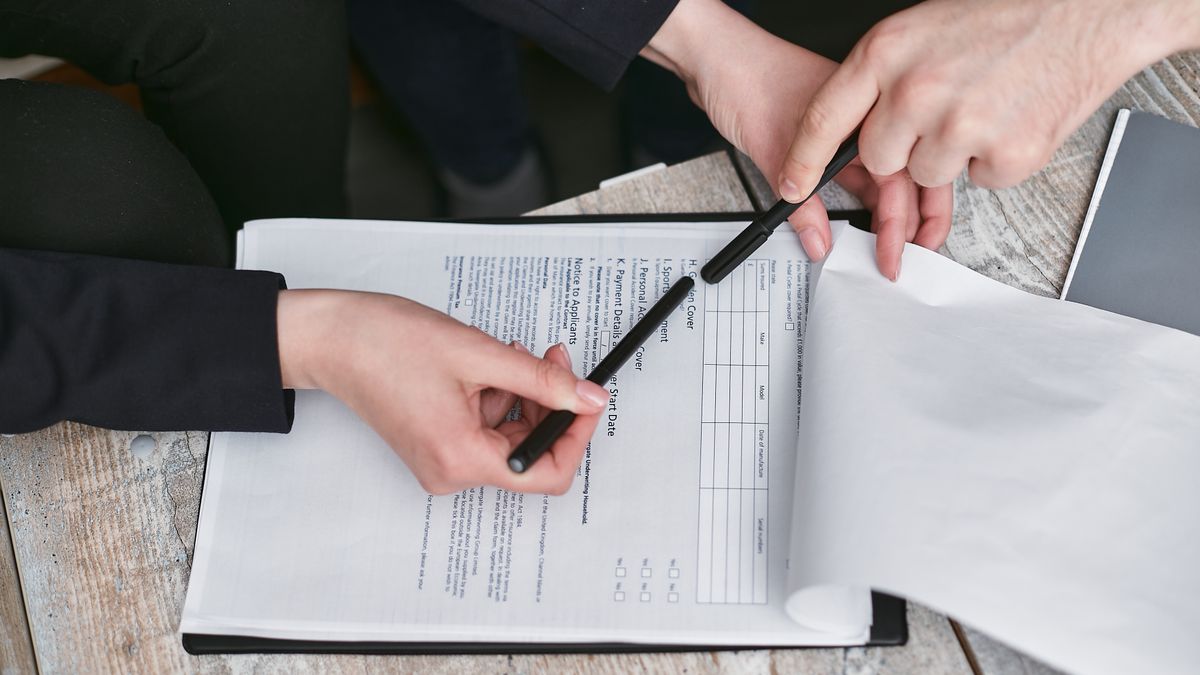
The price depends on a number of factors. The most important is intellectual property: if proprietary designs, recipes, molds, and tools are involved, this requires more custom work than the production of a standard item. Exclusivity, confidentiality with a penalty clause, and an extensive quality appendix also increase the scope of the document. Furthermore, whether it concerns a one-off order or a long-term framework relationship with minimum purchase quantities and tiered pricing plays a role.
If you submit your specifications and design completely, it reduces costs. The lawyer then does not have to figure out what the product should be, but focuses on protecting your position: rights, exclusivity, and risk allocation.
Having a production agreement drawn up: the process

- Intake: which product, which producer, which rights and which risks.
- Specifications and design: you provide the technical and creative input.
- Concept: the legal expert handles IP, molds, exclusivity, quality, and termination.
- Testing: you check the concept together with your production side.
- Negotiation: the agreement enters into discussions with the producer.
- Finalization: signature, with the quality standard in an attachment.
A good lawyer probes during the intake regarding the scenario you want to avoid: becoming dependent on a single manufacturer, seeing your design used by a competitor, or being stuck with a producer who fails to meet quality standards. Those answers determine where the contract needs to be strict.
Why outsourcing usually pays off
The value lies in protecting your position. A lawyer ensures that your design and recipe remain yours, that ownership of molds is secured, and that you are not dependent on the producer at the end. The classification is also important: is it a contract for work (Art. 7:750 BW) or a sale (Art. 7:17 BW), and which inspection and complaint periods apply (Art. 6:89 BW and Art. 7:23 BW). A penalty clause makes breach of exclusivity or confidentiality enforceable without having to prove damages, provided the penalty remains reasonable (Art. 6:94 BW).
You only notice that difference when things go wrong. A flimsy contract that doesn't cover the molds can mean you cannot have your own product manufactured elsewhere. A well-drafted agreement gives you the freedom to switch and protect your position.
Do it yourself or outsource?
For a small, one-off production of a standard item without your own design, you can often manage with an order confirmation containing clear specifications. However, as soon as your own intellectual property, molds, or structural purchasing are involved, the investment in a sound agreement is well worth the risk. The amount you pay to the lawyer is usually small compared to the value of your design and the costs of a dispute or forced reliance on a single producer.
Practical example: an SME cosmetics brand had a production agreement drawn up for the manufacture of a skincare line under its own label, for approximately 1,800 euros. The agreement included an appendix regarding ownership of the formulation, exclusivity, ownership of the bottle molds, and the quality standard. When the brand wanted to switch to a larger manufacturer two years later, it was able to take the formulation and molds with it; their value was many times the fee.
Honest recommendation

You do not always need a lawyer. For the one-off production of a standard item without your own design and with limited interests, a clear order confirmation with specifications is sufficient. Have a production agreement drawn up as soon as your own intellectual property is involved, molds or tools are being made, you are purchasing on a structural basis, or you risk becoming dependent on a single producer. Request a fixed price in advance, provide your specifications and design as completely as possible, and choose a lawyer who knows SMEs and the manufacturing industry. That way, you pay to protect your position, not for text.
Read more or get started right away? View the production agreement, first read what a production agreement is and see how to drafting a production agreement .
Frequently Asked Questions
With a specialized SME lawyer, the cost is typically 750 to 2,500 euros, depending on complexity, intellectual property, exclusivity, templates, and the quality appendix. Complete supplied specifications and design reduce costs.
Usually 2 to 4 weeks, including coordination with the producer. The lead time depends on how quickly you provide the specifications and design, and on negotiations regarding exclusivity, price, and quality.
The specifications, the design or recipe, and your wishes regarding exclusivity, purchase volume, and quality. The legal expert translates these into enforceable agreements and protects the rights to your design and molds.
That is possible for simple production. The value of outsourcing lies in protecting your position: rights to design and molds, exclusivity with a reasonable penalty clause, and an appropriate complaint period. You only notice that difference when switching providers or in the event of a dispute.
For custom designs, molds, or structural purchasing, often yes. The fee is generally small compared to the value of your design and the costs of a dispute or being tied to a single producer who fails to deliver quality.
Often, yes. You elaborate the quality standard in a separate appendix, such as a product level agreement, with specifications, tolerances, and a defect rate. This way, you can adjust the standard without reopening the entire agreement.
Yes. In a long-term relationship, you often establish a framework agreement with room for new orders, price tiers, and adjusted quantities. The legal expert builds in an amendment procedure so that you can adjust the agreements without having to renegotiate every time.


