

MKB Juristen drafts custom legal documents
It is best not to cobble together or copy important contracts, terms and conditions, and other legal documents yourself. We help entrepreneurs on a budget with customized legal solutions, clear costs upfront, and practical explanations.
- Custom contracts, terms and conditions, and legal documents
- Budget-friendly and clear about the costs upfront
- Request a free consultation or a no-obligation quote
Having a partnership agreement drawn up by a specialized SME lawyer typically costs between 500 and 2,000 euros, depending on the form and complexity of the partnership. Partnership is the umbrella term for the general partnership, the limited partnership (VOF), and the limited liability partnership (CV). For that price, you receive a tailor-made contract with clear contributions, profit distribution, liability allocation, and a watertight exit arrangement. Since a notary is not mandatory, the security of this contract hinges on its quality. Below are the costs, the process, and what to look out for.
The short answer
- Costs: approximately 500 to 2,000 euros for an SME lawyer, more for a CV or unequal contribution.
- Notary: not required for a general partnership, general partnership, or limited partnership.
- Process: intake, choice of form, inventory, concept, discussion, final.
- Lead time: usually one to a few weeks.
- Please note: take into account the upcoming Partnership Modernization Act.
When to have a partnership agreement drawn up?
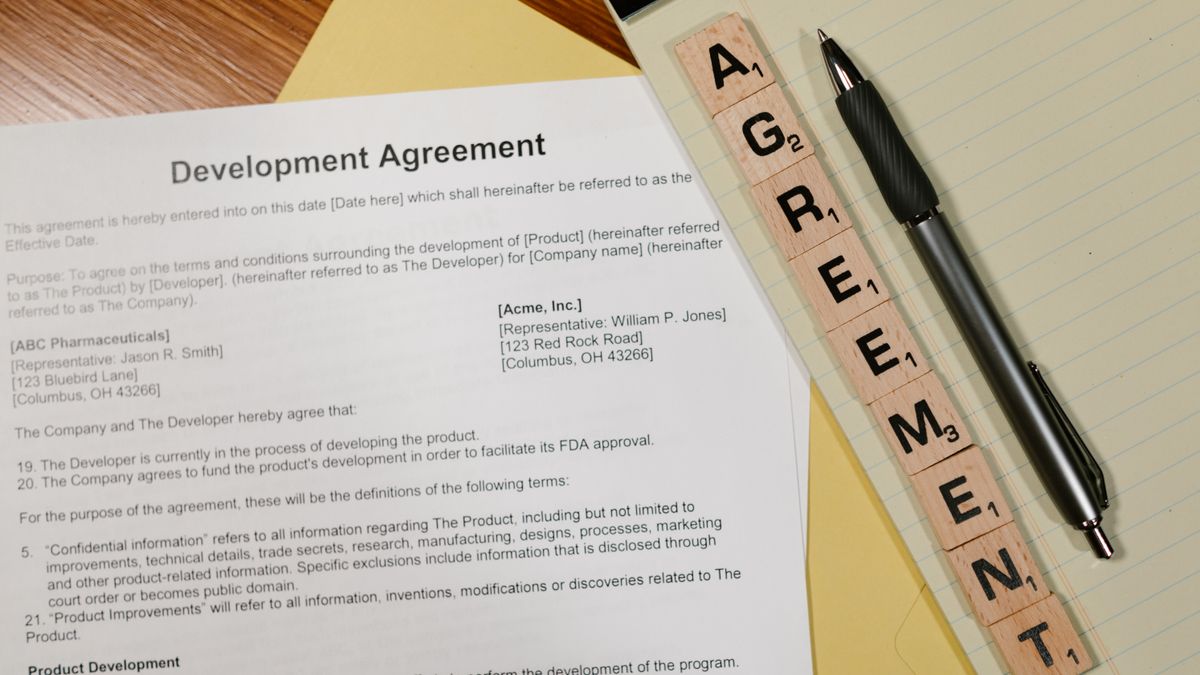
You have a partnership agreement drawn up as soon as the collaboration involves more than two partners with equal contributions and an equal distribution. If the contributions are unequal, if the partnership holds goodwill or real estate, or if liability poses a significant risk, the quality of the contract determines what happens in the event of a conflict or the departure of a partner. In a general partnership (VOF), every partner is jointly and severally liable (Article 18 of the Commercial Code), so an error in the agreements affects private assets. A legal expert ensures that the choice of form, the distribution of liability, and the continuation arrangement are correct. For a simple collaboration, a template will suffice.
What determines the price

The costs depend on a number of factors:
- Structure: a simple general partnership or professional partnership is cheaper than a limited partnership with silent partners and a management prohibition.
- Contribution: unequal contributions, goodwill, or real estate require more careful provisions regarding valuation and ownership.
- Number of partners: more partners means more coordination regarding governance and distribution.
- Entry and exit: a detailed arrangement for buyout and continuation takes more time, but prevents the major conflicts.
Expect to pay between 500 and 2,000 euros for an average partnership agreement. A simple general partnership (VOF) between two partners is at the lower end, while a limited partnership (CV) or a professional partnership with unequal contributions and multiple partners is at the upper end. A notary is not required, which is an advantage compared to a private limited company (BV).
The process step by step

- Intake: the lawyer maps out what the partners want and what the risk profile is.
- Choice of form: jointly determine whether a general partnership, general partnership, or limited partnership suits the situation and the desired liability.
- Inventory: contributions, profit distribution, management, entry and exit, and continuation are requested.
- Concept: the legal expert drafts the contract, tailored to the form and agreements, with an eye to upcoming legislation.
- Discussion and finalization: the draft is reviewed with all partners, refined, and signed.
An example. Two entrepreneurs want to set up a limited partnership with a third party as a silent financier. During the intake, the lawyer points out that the silent partner may not participate in management, otherwise he loses his limited liability under Article 20 of the Commercial Code. The prohibition on management is strictly regulated in the contract. In this way, the financier retains his protection.
What to look for when choosing an advisor
Pay attention to the following when making your choice:
- Experience with personal partnerships: the general partnership, general partnership (VOF), and limited partnership (CV) each have their own rules and liability.
- Knowledge of upcoming legislation: an advisor who follows the Partnership Modernization Act makes the contract future-proof.
- Fixed price: many lawyers offer a fixed price for a standard contract; ask about this.
- Attention to exit: this is the component that causes the most conflicts afterwards.
Honest recommendation

For a simple partnership between two partners with equal contributions, an equal distribution, and a low risk profile, you do not need to engage a lawyer. A good model covering contributions, profit distribution, and an exit arrangement will suffice. This keeps costs low while covering the most important risks.
As soon as contributions are unequal, goodwill or real estate is involved, or liability poses a significant risk, having a partnership agreement drawn up almost always pays for itself. The advisor ensures that the choice of form, the distribution of liability, and the continuation arrangement are correct, and takes upcoming legislative changes into account. In a general partnership, an error in the agreements can cost you your private assets, which amounts to many times the fee. Request a fixed price in advance and have the advisor specifically draft the exit and continuation arrangements.
More about the explanation and content: partnership agreement, what is a partnership agreement and drafting a partnership agreement.
Frequently Asked Questions
With a specialized SME lawyer, the cost is typically 500 to 2,000 euros, depending on the form and complexity. A simple general partnership (VOF) between two partners is at the lower end, while a limited partnership (CV) or a professional partnership with unequal contributions and multiple partners is at the upper end. A notary is not required.
No. A notarial deed is not required for a general partnership, limited partnership, or limited partnership; the contract is not subject to any formal requirements. That is precisely why a good written contract is important, because without agreements, only the basic statutory rules apply.
Typically one to a few weeks, depending on how quickly the partners provide the information and how much coordination is required regarding contributions, distribution, and the exit arrangement.
For a simple partnership with equal contributions, a good model may suffice. However, as soon as the contributions are unequal or goodwill, real estate, or a significant liability risk is involved, a tailored approach is advisable, especially in a general partnership where each partner is jointly and severally liable.
Regarding withdrawal and continuation. If arrangements are not properly made regarding how a departing partner is bought out and whether the business continues, a departure can bring the business to a standstill. A good advisor pays extra attention to precisely this.
Yes. The Partnership Modernization Act is in preparation and updates, among other things, the rules for entry and exit and the possibility of legal personality. An advisor who follows this makes the contract future-proof.
Many SME lawyers offer a fixed price for a standard partnership agreement. Ask about this in advance. For a limited partnership with silent partners or a structure involving unequal contributions and multiple parties, an hourly rate is more common.




